Advancing Inclusive and Ethical Governance of Solar Radiation Modification in Ghana
Advancing Inclusive and Ethical Governance of Solar Radiation Modification in Ghana
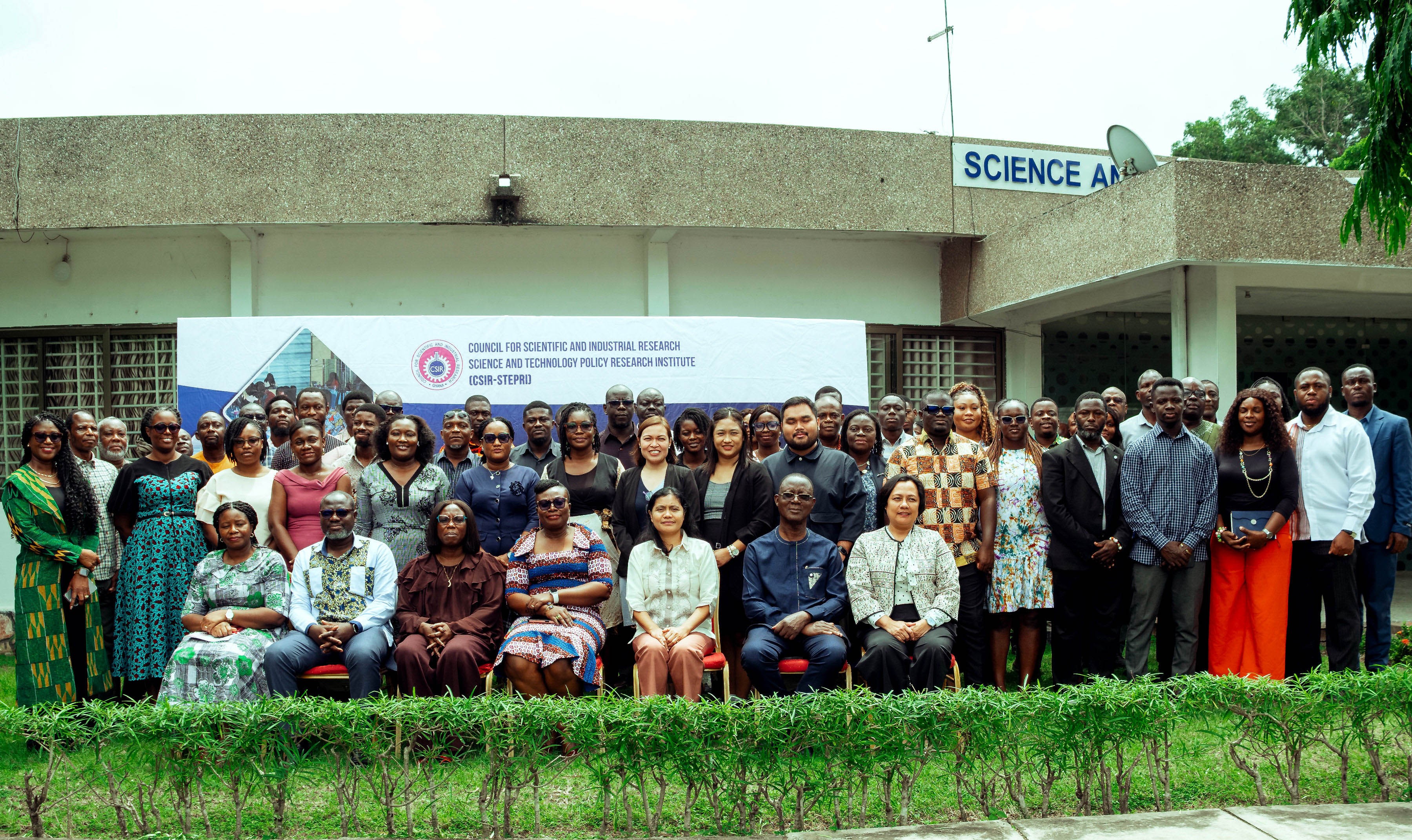
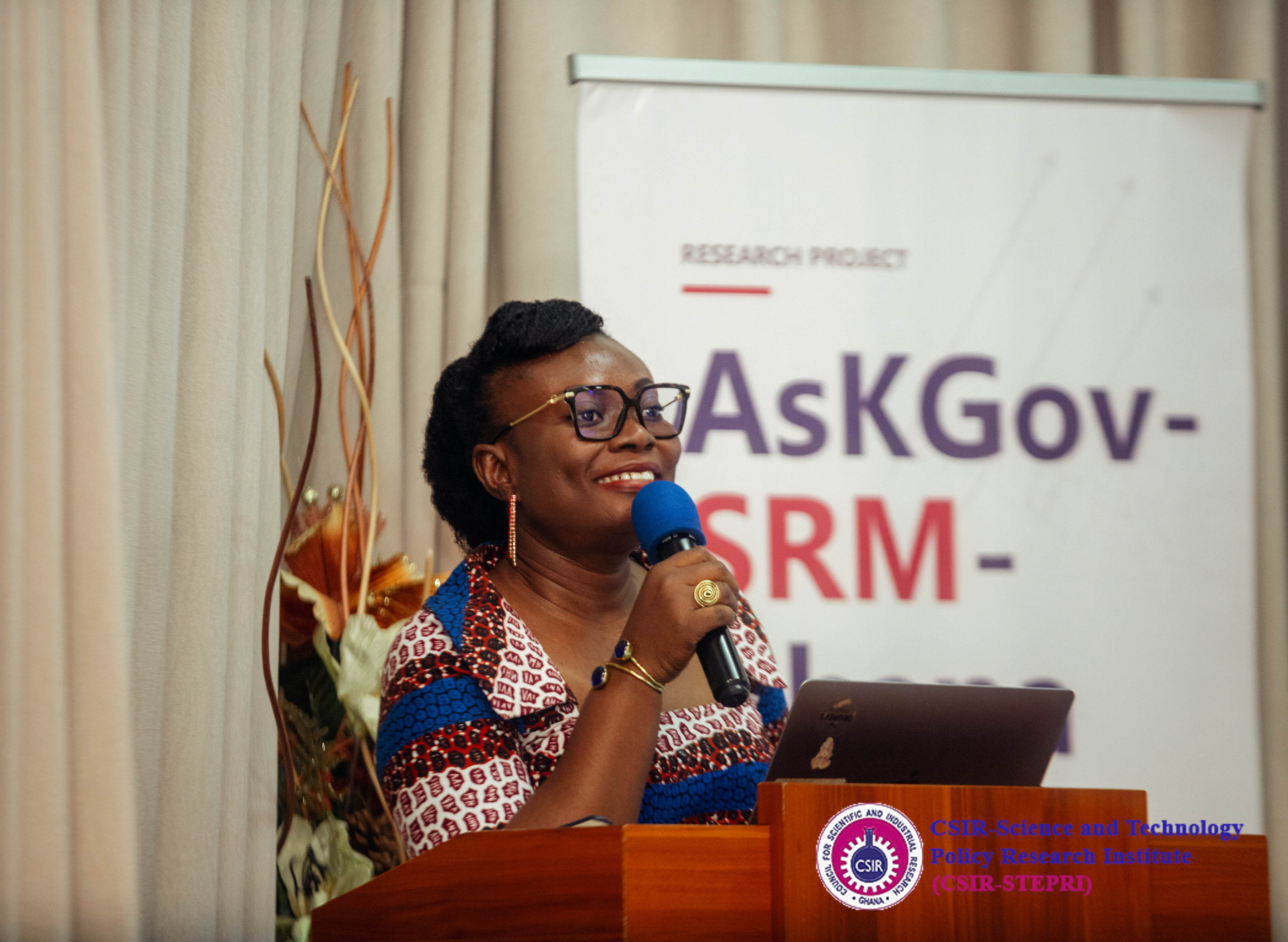
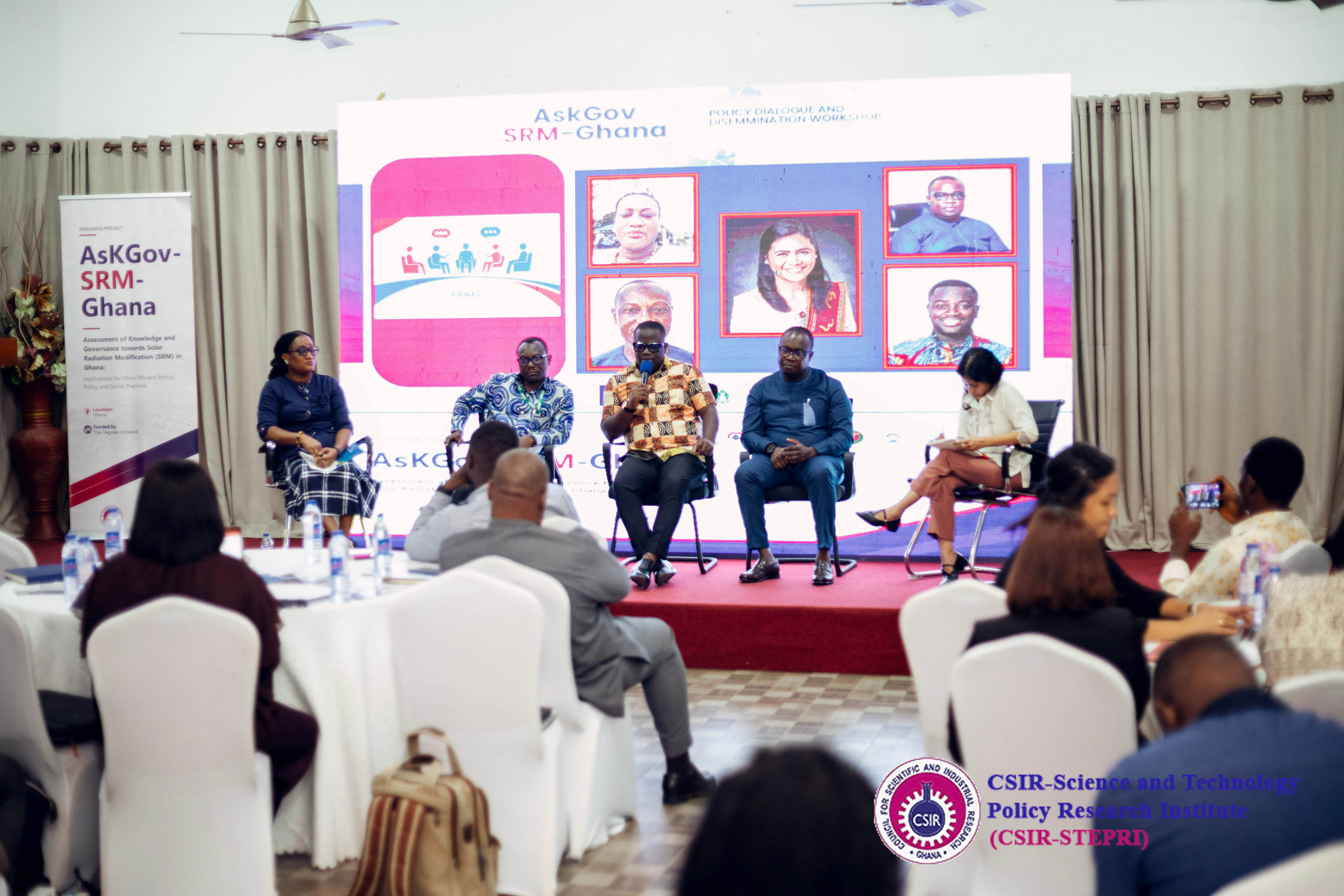
On 21st July 2026, CSIR-Science and Technology Policy Research Institute (CSIR-STEPRI) through the Assessment of Knowledge and Governance Towards SRM in Ghana: Implications for More Efficient Ethical, Policy and Social Practices (AsKGovSRM) Project, convened a Policy Dialogue and Dissemination Workshop at CSIR-STEPRI, bringing together stakeholders from government, academia, research institutions, civil society, development organisations and the media. The workshop provided a platform to disseminate research findings and facilitate stakeholder dialogue on the scientific, ethical, social, policy and governance dimensions of Solar Radiation Modification (SRM).
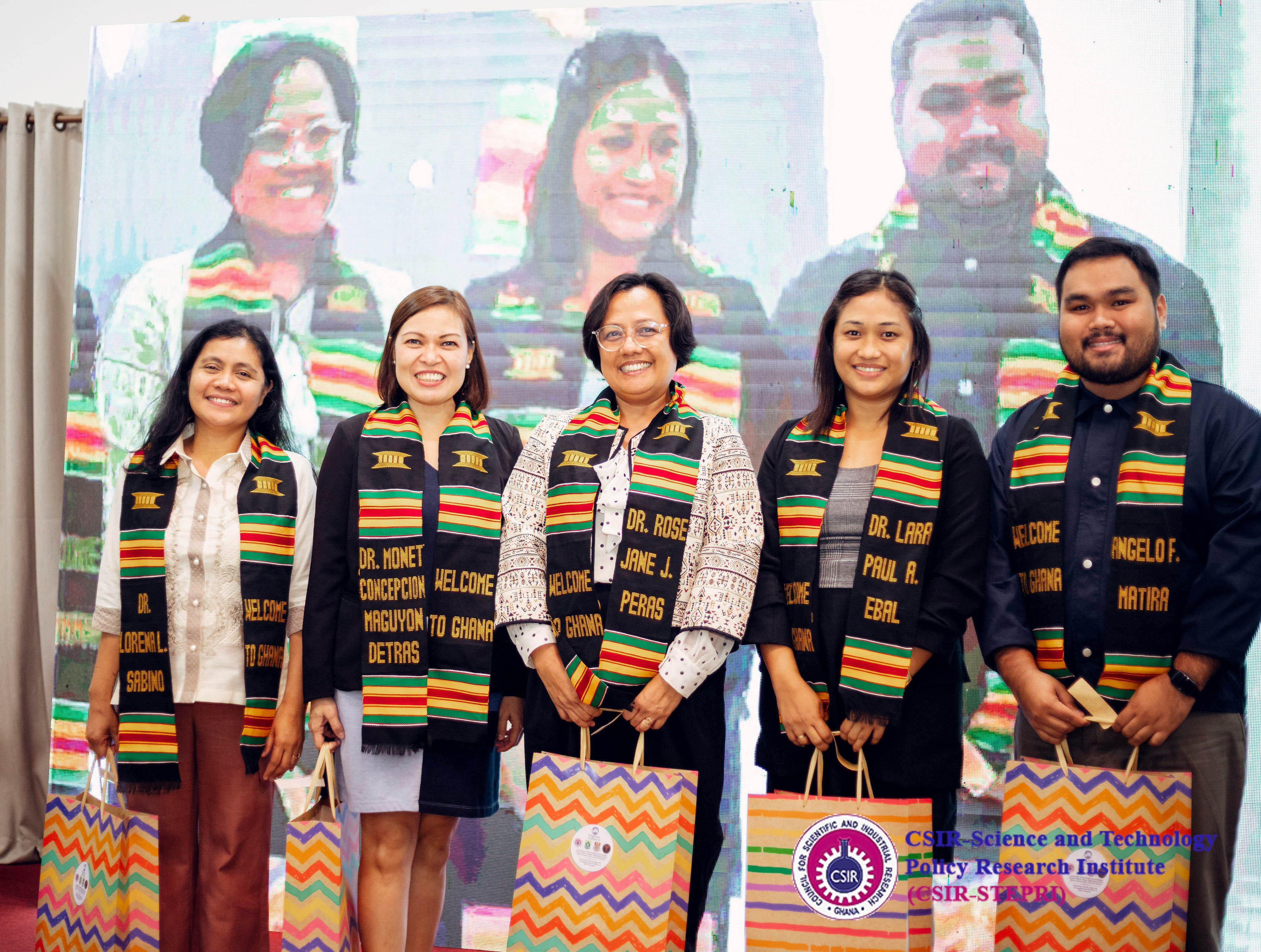
The AsKGovSRM-Ghana Project funded by the Degrees Initiative, assessed Ghanaian public knowledge, perceptions and governance readiness relating to SRM. The workshop was a collaborative effort with researchers from the Exploring Cultural, Legal, and Intergenerational Perspectives on Solar Radiation Modification Ethics ECLIPSE Project in the Philippines, creating a platform for South–South knowledge exchange and shared learning.
The event was graced by Hon. Seidu Issifu, Minister of State for Climate Change and Sustainability, who delivered the keynote address through a recording. Other distinguished speakers included Dr. Wilhelmina Quaye, Director of CSIR-STEPRI; Dr. Marco Regis da Silva and Ms. Mzime Ndebele-Murisa of the Degrees Initiative; Dr. Francis Nkrumah of the University of Cape Coast and the Degrees Modelling Fund Ghana Team; Dr. George Manful, Advisor to the Chair of the African Group of Negotiators; and Mr. Raymond Ohene, representing the Environment Directorate at the Ministry of Environment, Science and Technology
A major feature of the workshop was the exchange of findings between the AsKGovSRM-Ghana Project and the ECLIPSE Project from the Philippines. The two studies revealed notable similarities. For instance, both countries are highly vulnerable to climate change and communities are familiar with its effects through their lived experiences. However, public awareness and understanding of SRM remain limited. The findings also showed an interest in learning more about emerging climate technologies, although this openness should not be interpreted as support for implementation.
The dialogue highlighted a shared need for sustained public education, accessible science communication, locally generated evidence, inclusive stakeholder participation and strong ethical and regulatory frameworks. Participants stressed that the project findings should serve as a basis for informed national discussion and not as an endorsement of SRM.
Building on the workshop outcomes, the project will support the development of a knowledge and governance roadmap for SRM in Ghana, strengthen the emerging community of practice and deepen South–South collaboration between Ghana and the Philippines through continued research, capacity building and knowledge exchanges.
Presenters: Dr. Portia Williams, Dr. Francis Quagraine, Mr. Abdalla Mahama, Ms Crystal Bubune Letsa, Monet Concepcion Detras
Caregories
Must Read
_thumbnail.jpg)


Connect
Stay With Us
news and upcoming events