
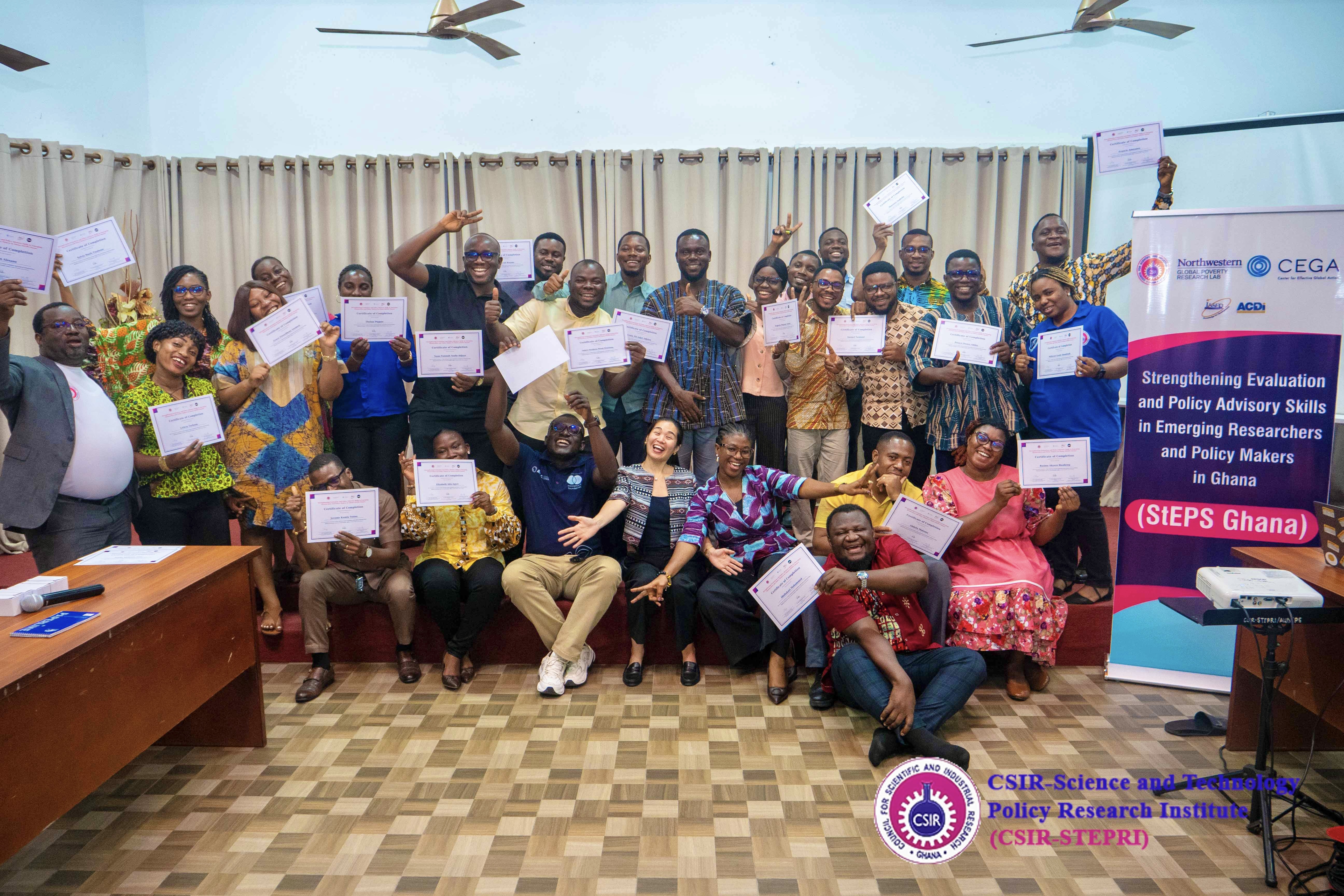
CSIR-STEPRI builds capacity in Impact Evaluation and Evidence-Informed Policy Making
What does it take to move evidence from a study into a government decision?
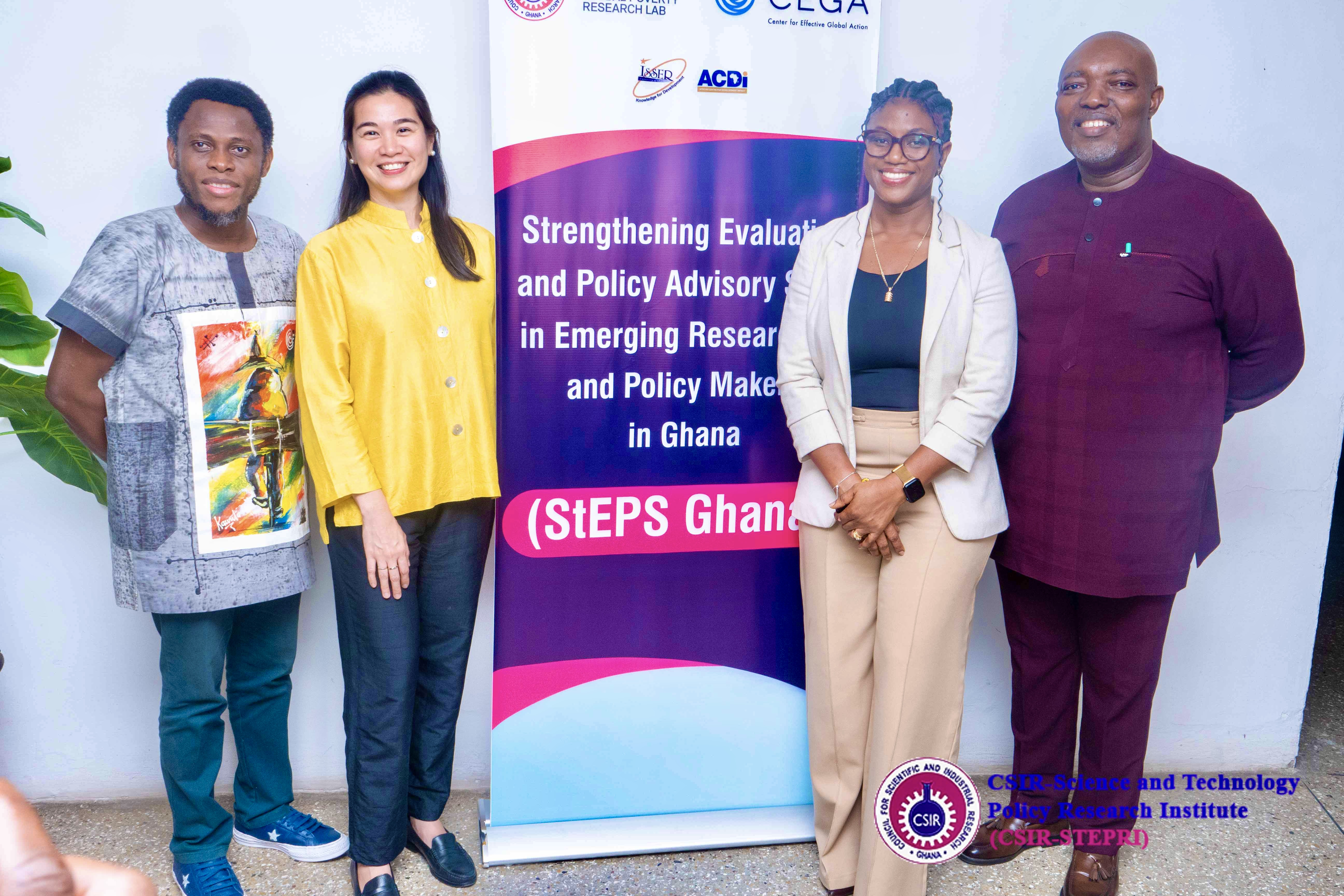
At CSIR-STEPRI, we believe the answer is people: researchers who can design rigorous evaluations, and policymakers who know how to ask for and use evidence. The Strengthening Evaluation and Policy Advisory Skills in Emerging Researchers and Policy Makers in Ghana (StEPS Ghana) was built to grow both.
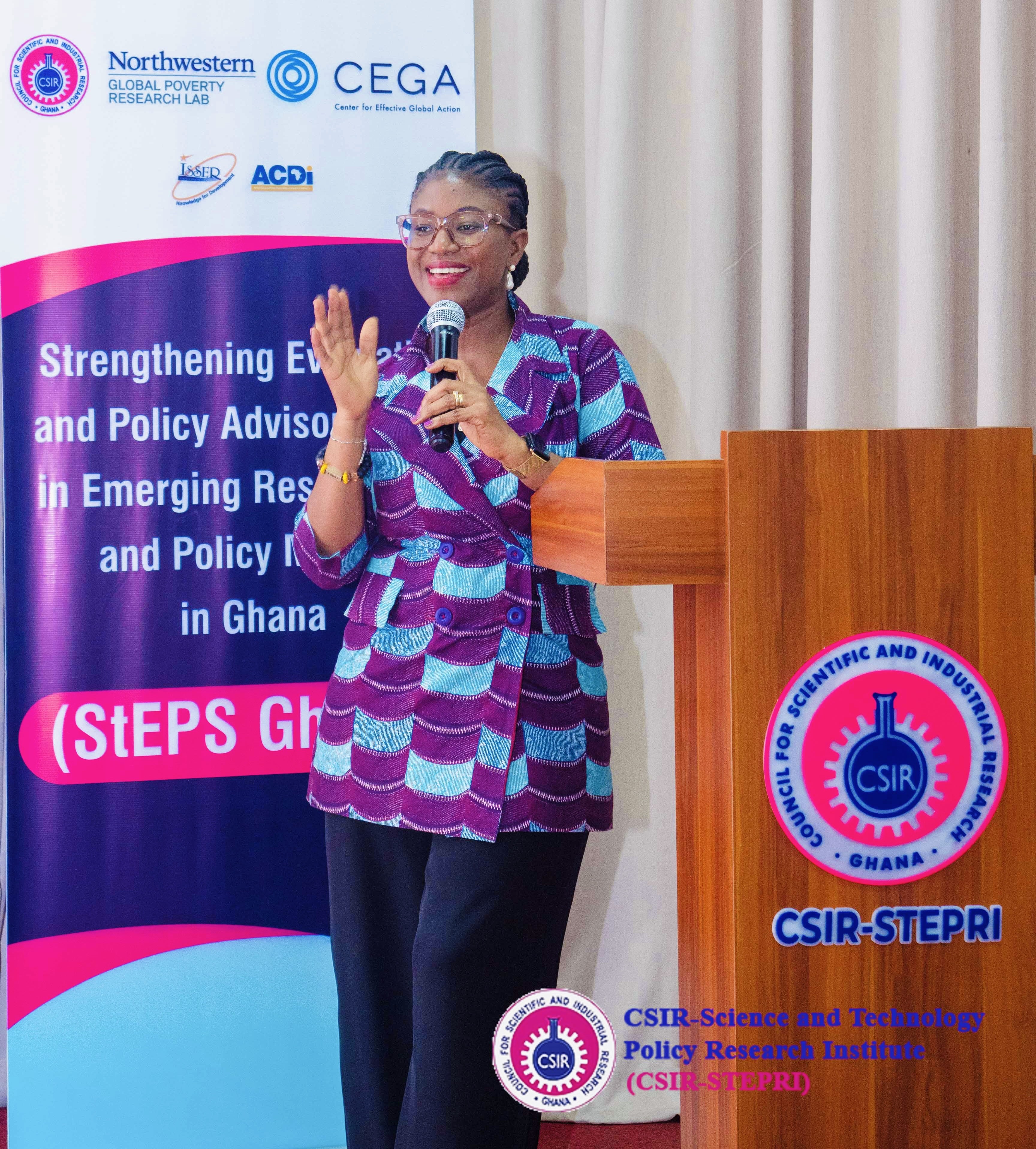
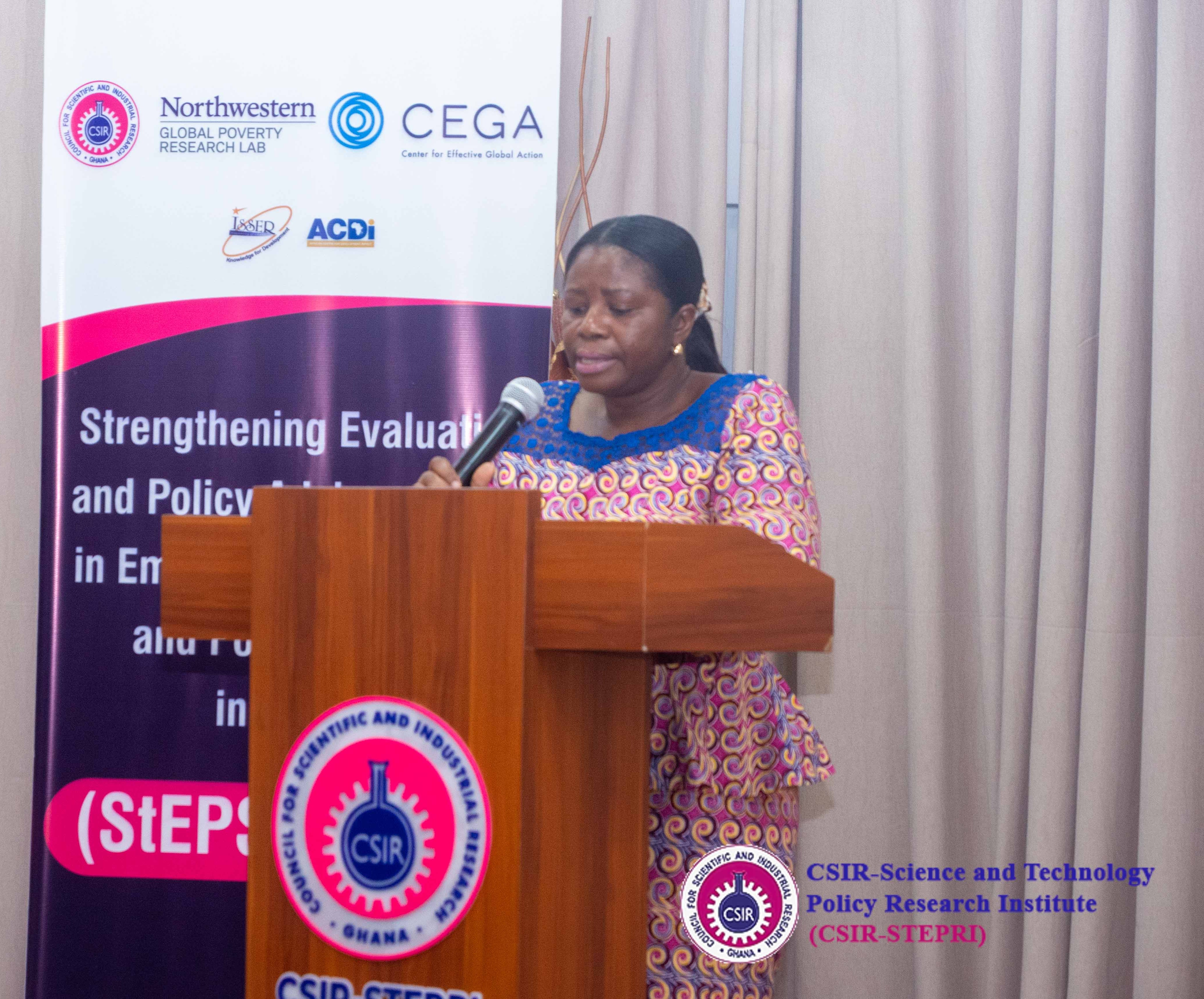
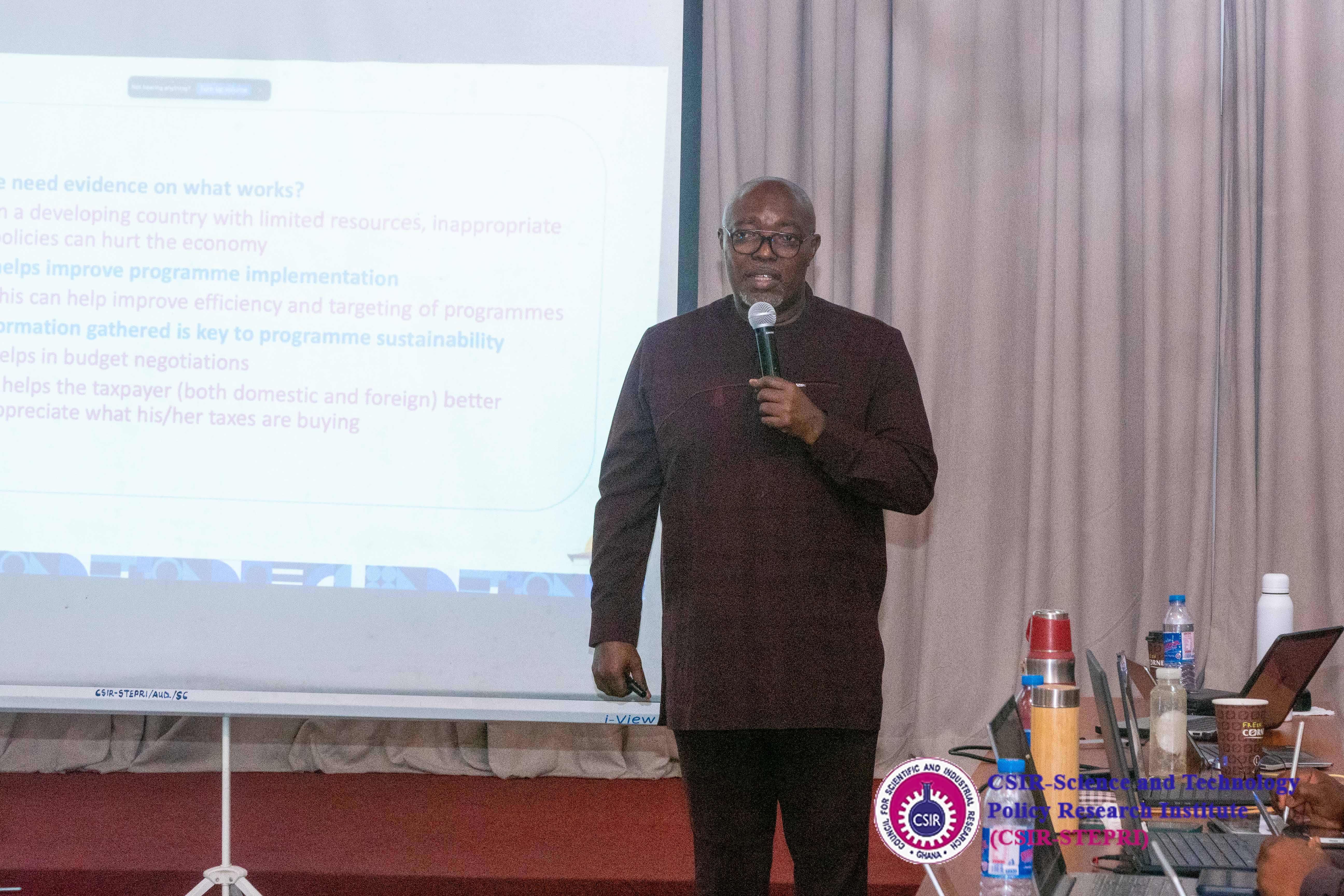
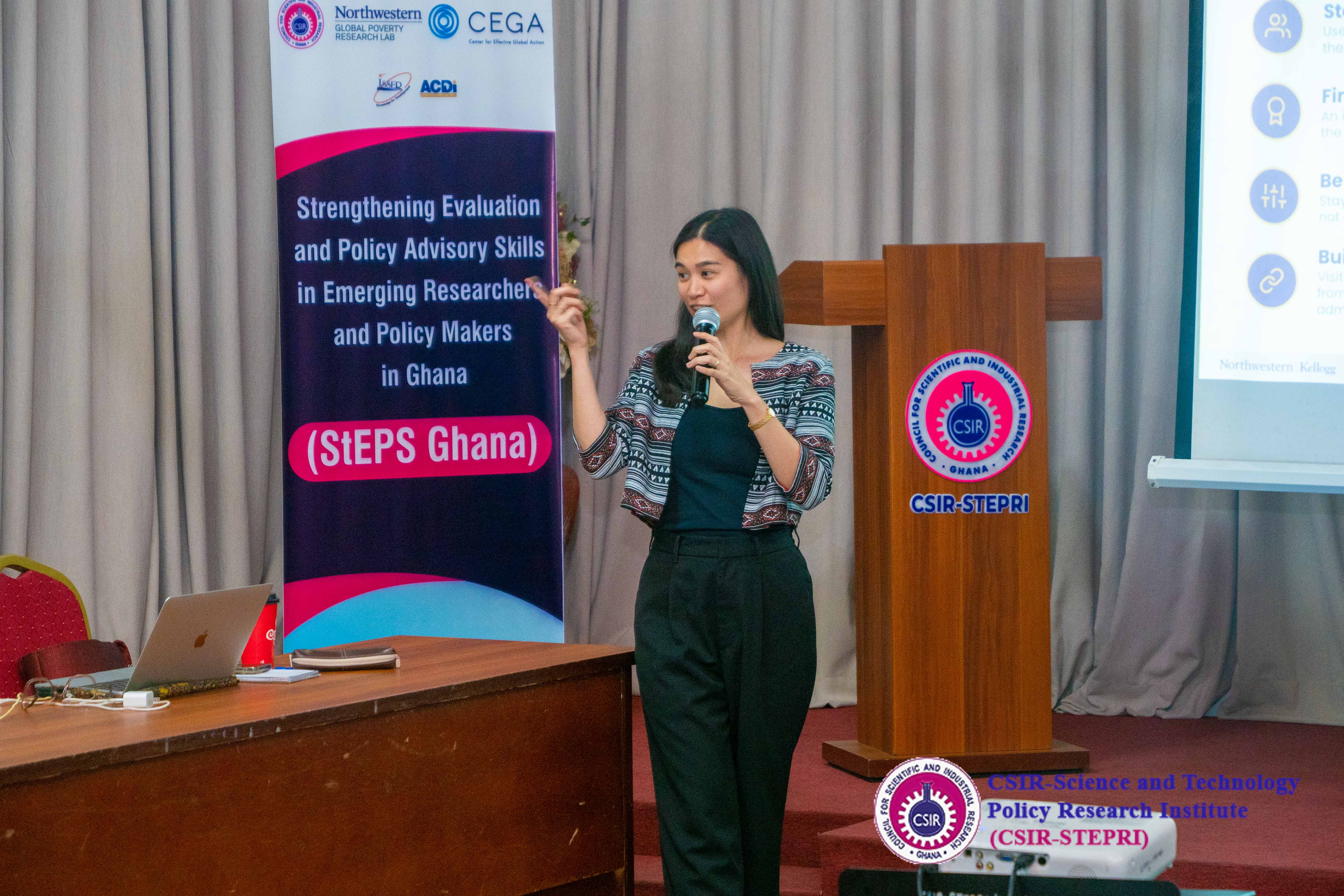
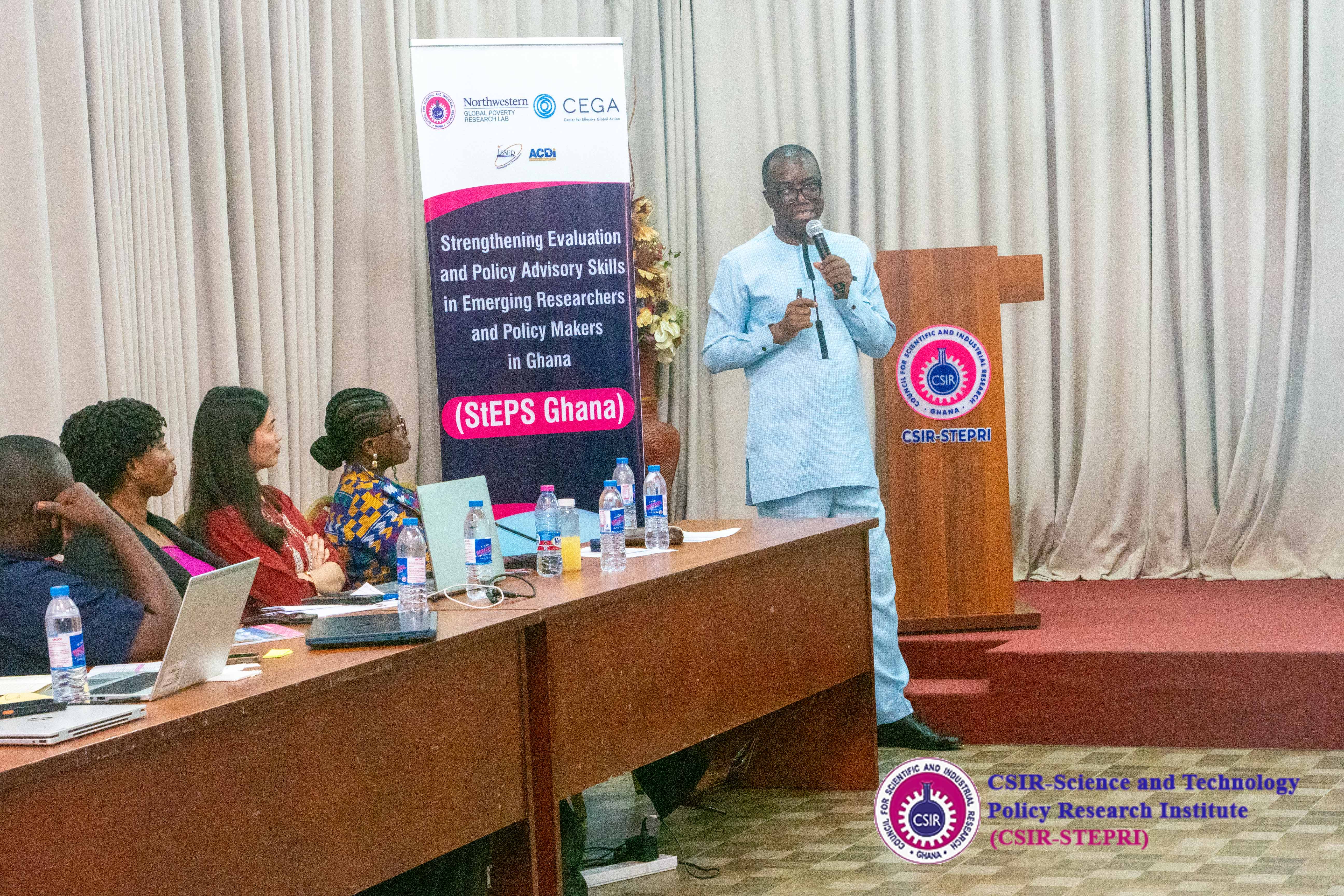
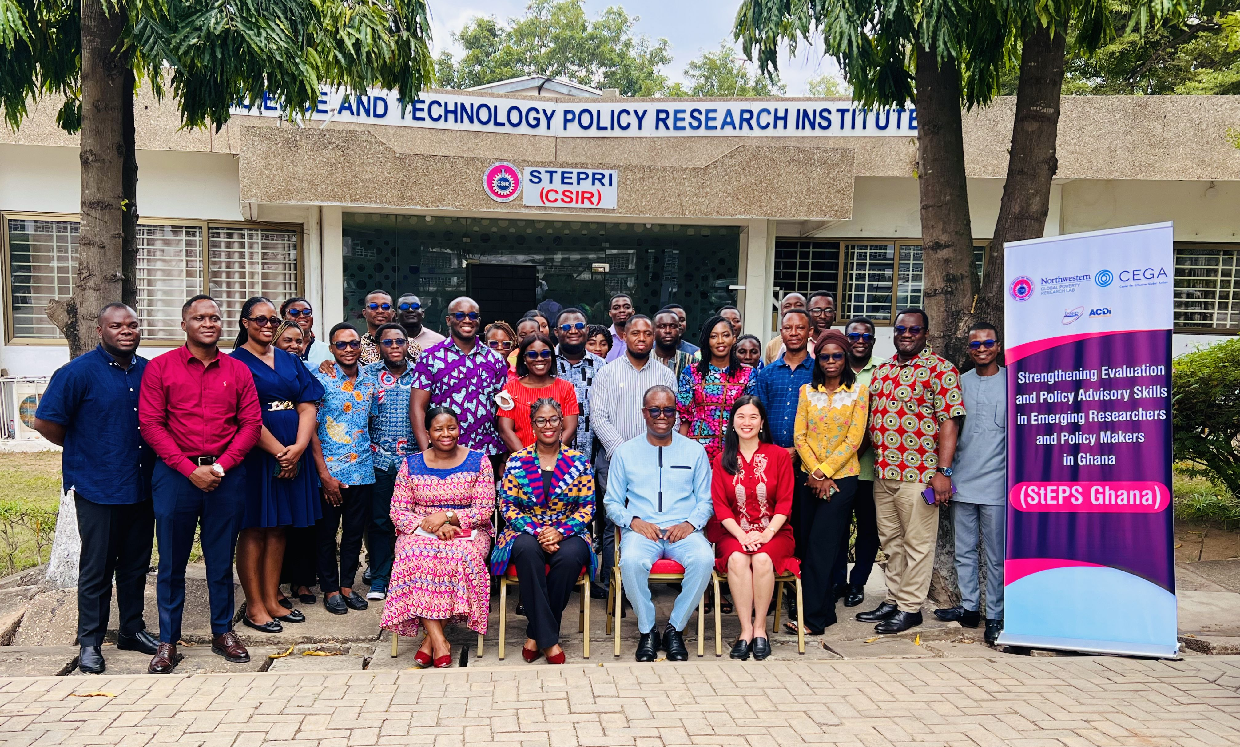
Convened by Dr. Justina Adwoa Onumah, Principal Research Scientist at CSIR-STEPRI and a Center for Effective Global Action (CEGA) Fellow at Northwestern University, USA, the training brought together 34 participants from ministries, research institutes and universities for five days of hands-on learning (October 12 to 16, 2026). It was delivered with facilitators from Northwestern University’s Global Poverty Research Lab, CEGA, Institute of Statistical, Social and Economic Research (ISSER, University of Ghana), African Centre for Development Impact (ACDI), and CSIR-Savanna Agricultural Research Institute.
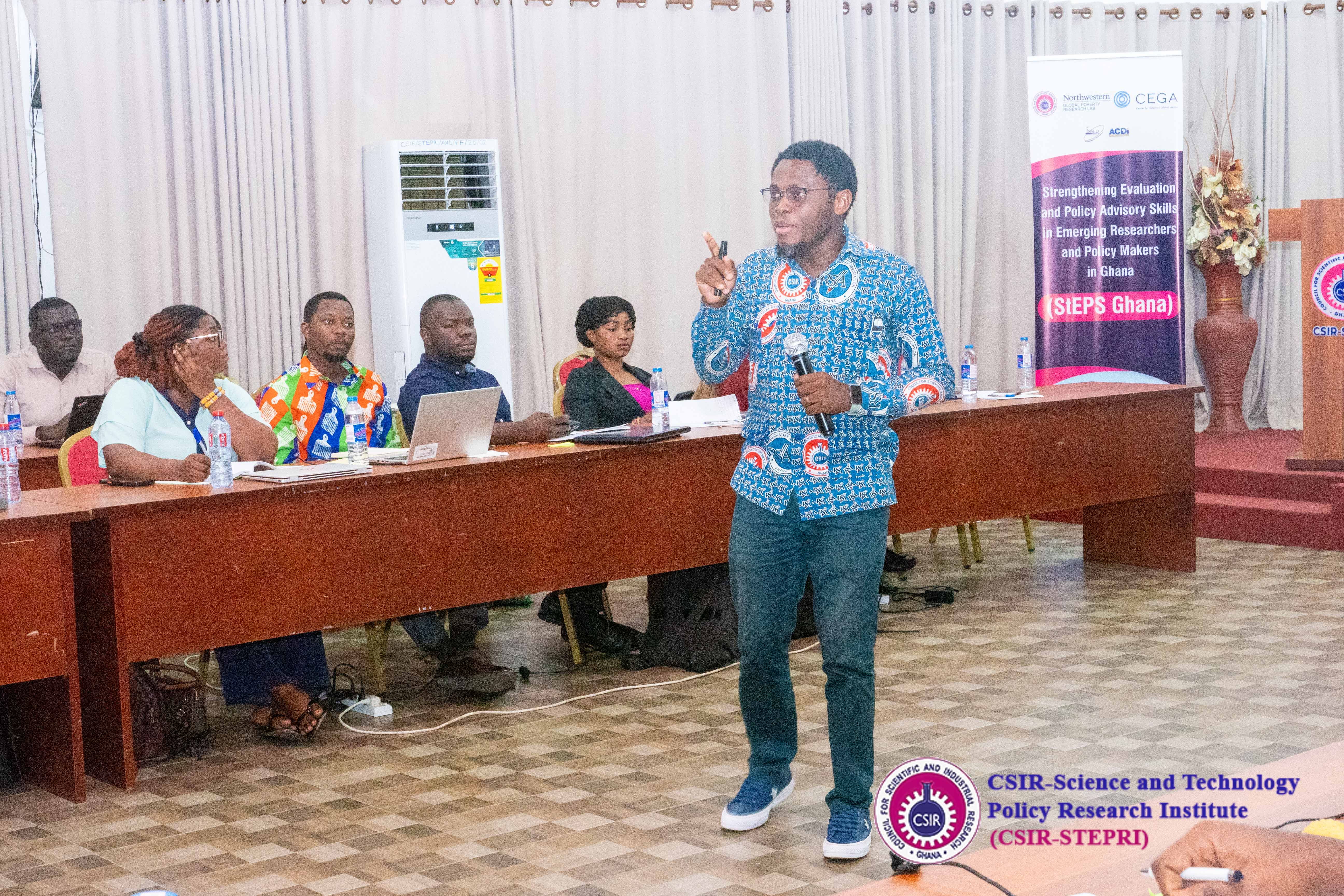
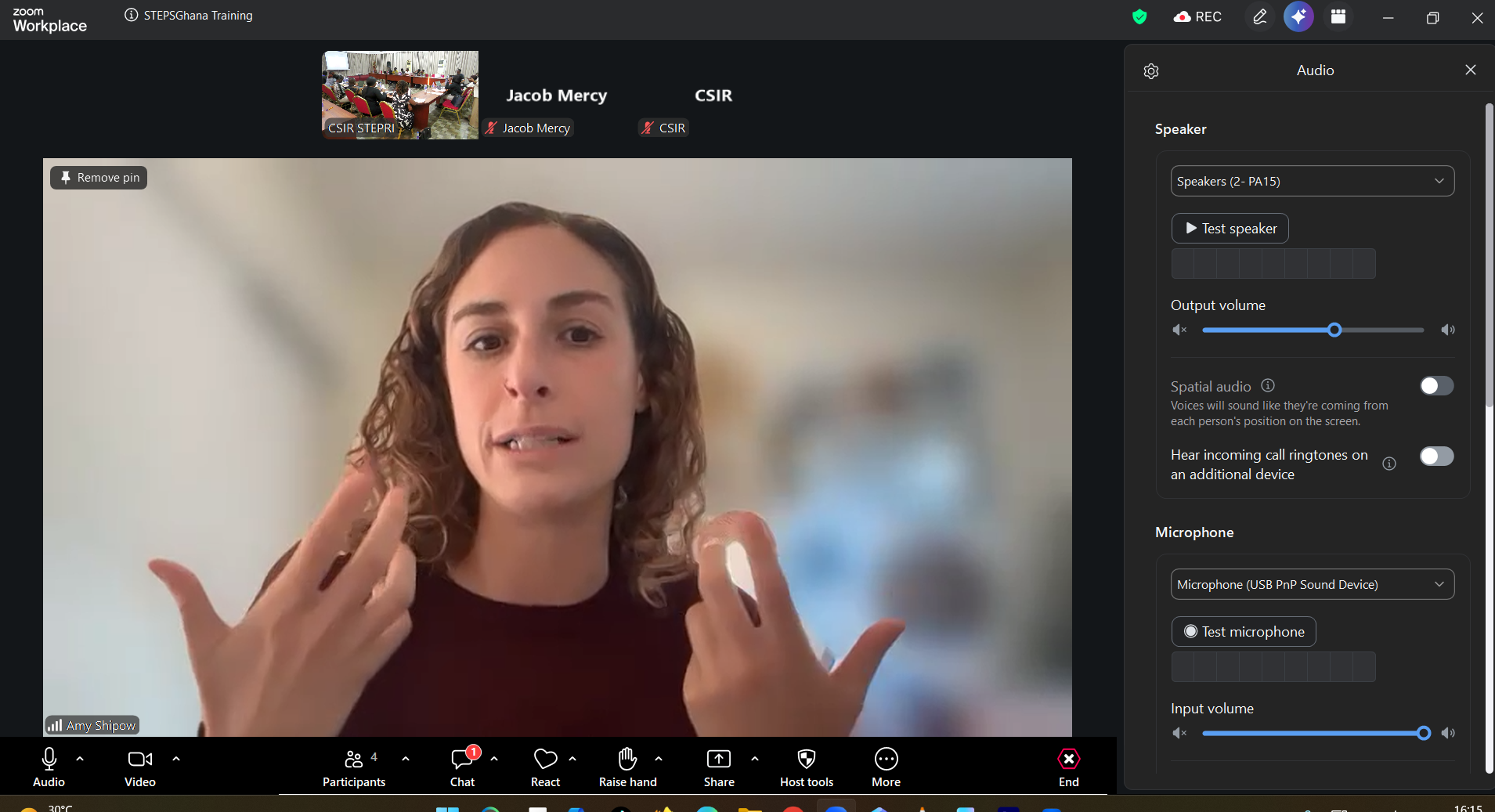
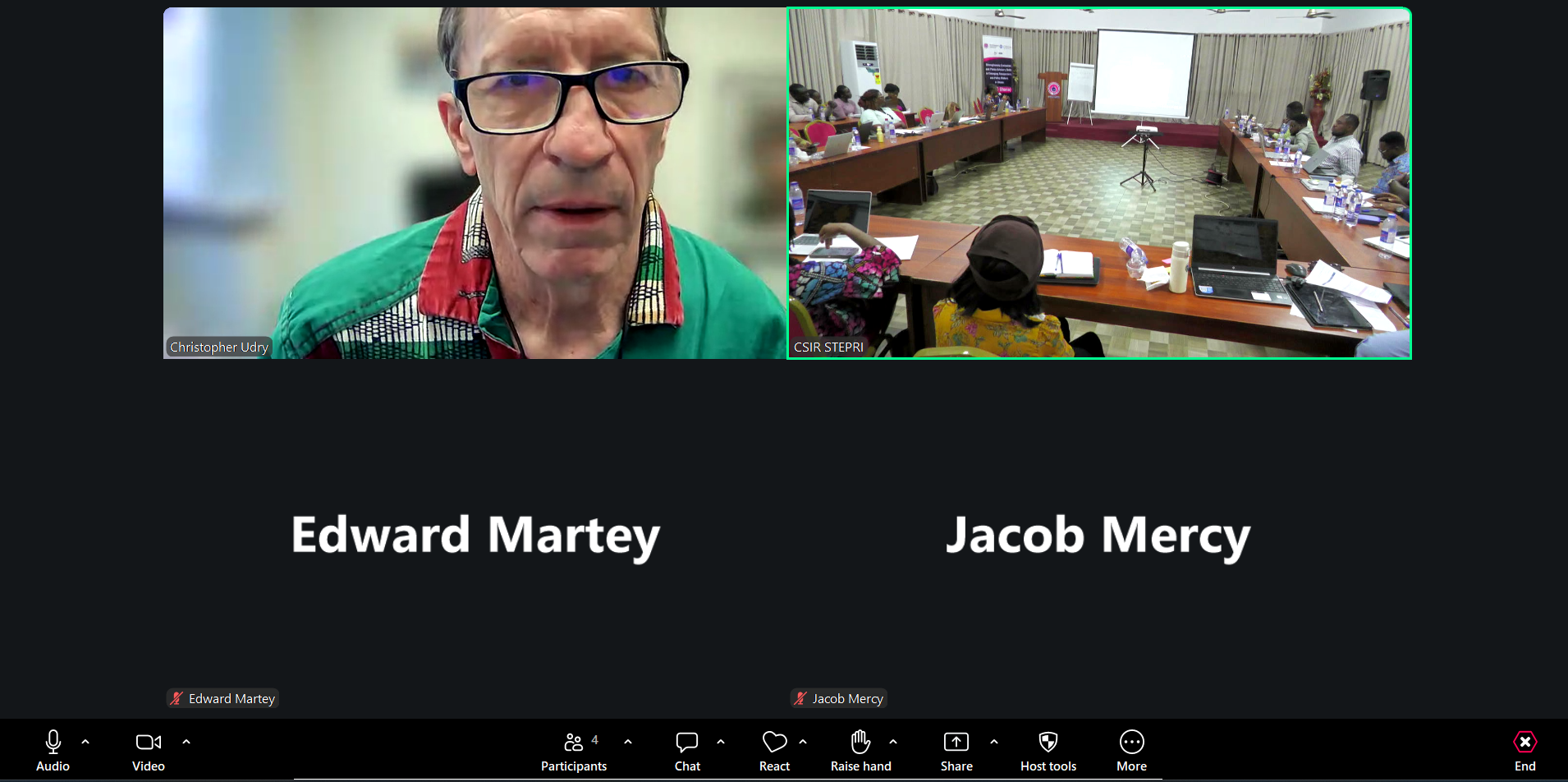
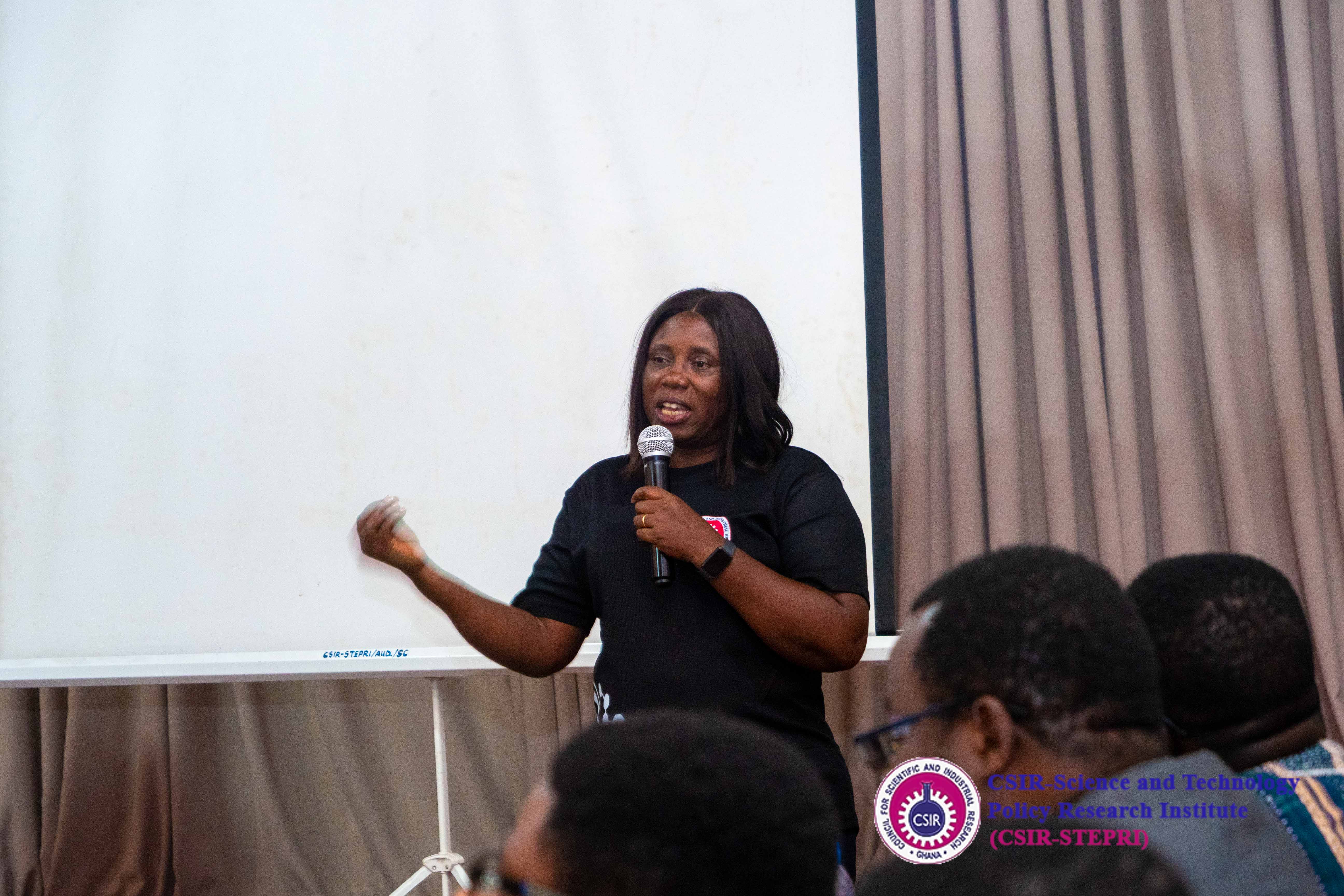
Participants benefited directly from leading evaluation and policy experts, including keynote lectures by Prof. Christopher Udry and Prof. Charles Amoatey, and sessions led by Prof. Robert Darko Osei, Dr. Edward Martey, Dr. Justina Adwoa Onumah, Ms. Amy Shipow, Ms. Riza T. Halili and Ms. Maya Ranganath. Facilitations were practical with everything anchored in real Ghanaian policy. Participants were grouped in teams that mapped what shaped, and should shape, the Feed Ghana Programme and the 24-Hour Economy, and then designed evaluations for ongoing programmes of their own.
The training combined in-person sessions with virtual teamwork. During the first two days, participants met in person to explore the foundations of impact evaluation, experimental and quasi-experimental methods, and practical exercises using Stata. On days three and four, mixed teams of ministry staff, researchers and students worked virtually to develop evaluation concepts for real policy challenges. Participants reconvened in person on the final day for group presentations, policy brief drafting and stakeholder mapping, alongside lessons on putting evidence to use in policymaking.
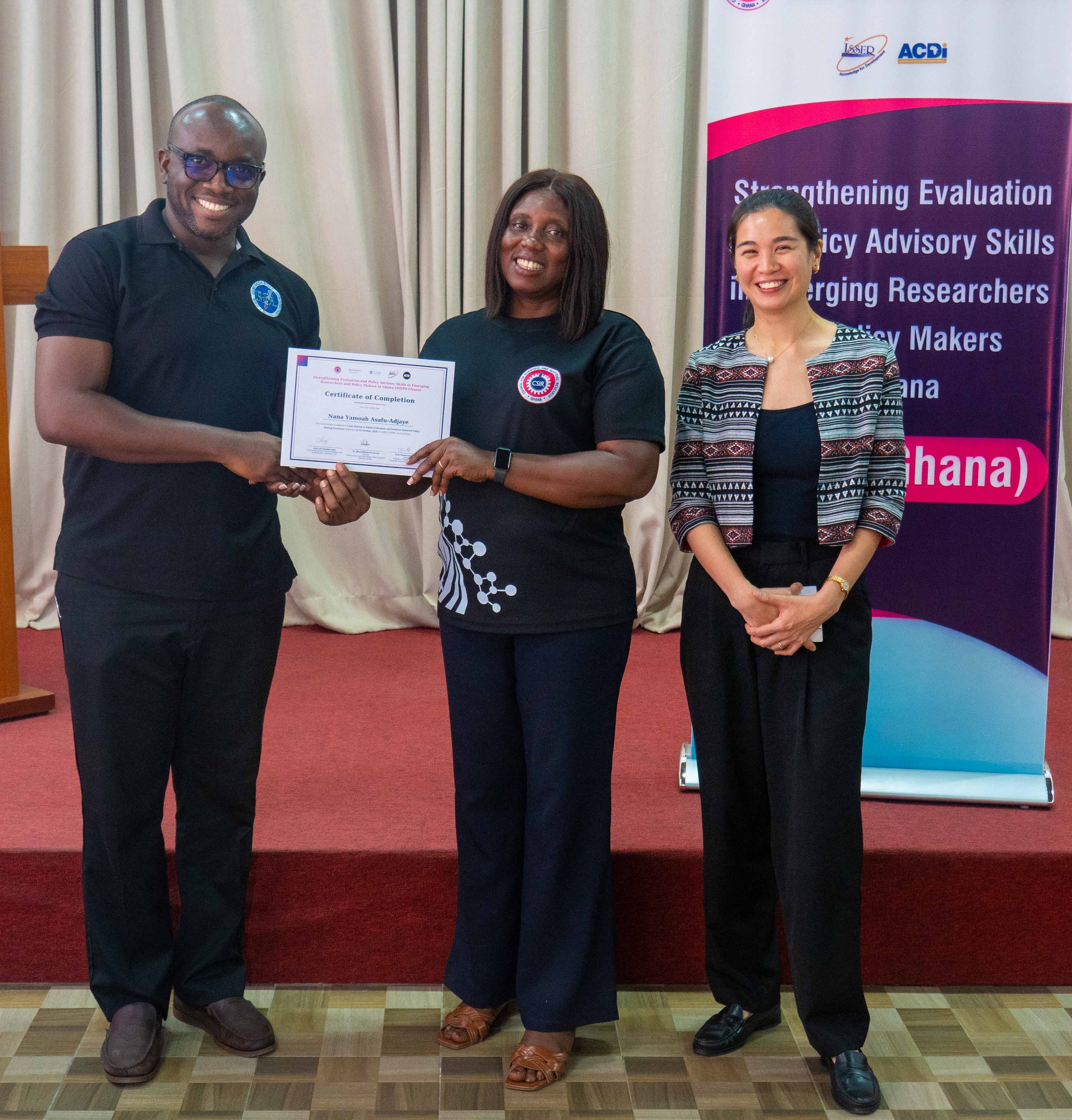
Through this combination of learning and practical application, participants gained the skills to choose an impact evaluation method suited to a policy question and the available data, and to apply it in Stata. They built a shared foundation in the counterfactual framework, theory of change and evidence-informed policymaking. They can now identify relevant stakeholders and map their incentives in relation to real policy challenges in Ghana. The training also fostered lasting collaborations between emerging researchers and policymakers.
What happens next?
StEPS Ghana is only the beginning. Participants now have access to the future roll out of the StEPS Evidence-to-Policy Fellowship Programme, a pathway to the CEGA Fellowship, and connections to faculty at UC Berkeley and Northwestern.
Why CSIR-STEPRI?
We combine rigorous research with a working relationship with government. We convene international experts, train the next generation, and turn evidence into policy-ready messages. If your ministry, agency or organisation wants to build evaluation capacity or use evidence better, we would like to work with you.
Contact us at
Caregories
Must Read

_thumbnail.jpg)

Connect
Stay With Us
news and upcoming events