Ghana Charts a Path Toward an Open Science Future: National Consultation Workshop on Open Science || CSIR-STEPRI, Accra, 5th December 2025
A Milestone in Advancing Ghana’s Open Science Agenda
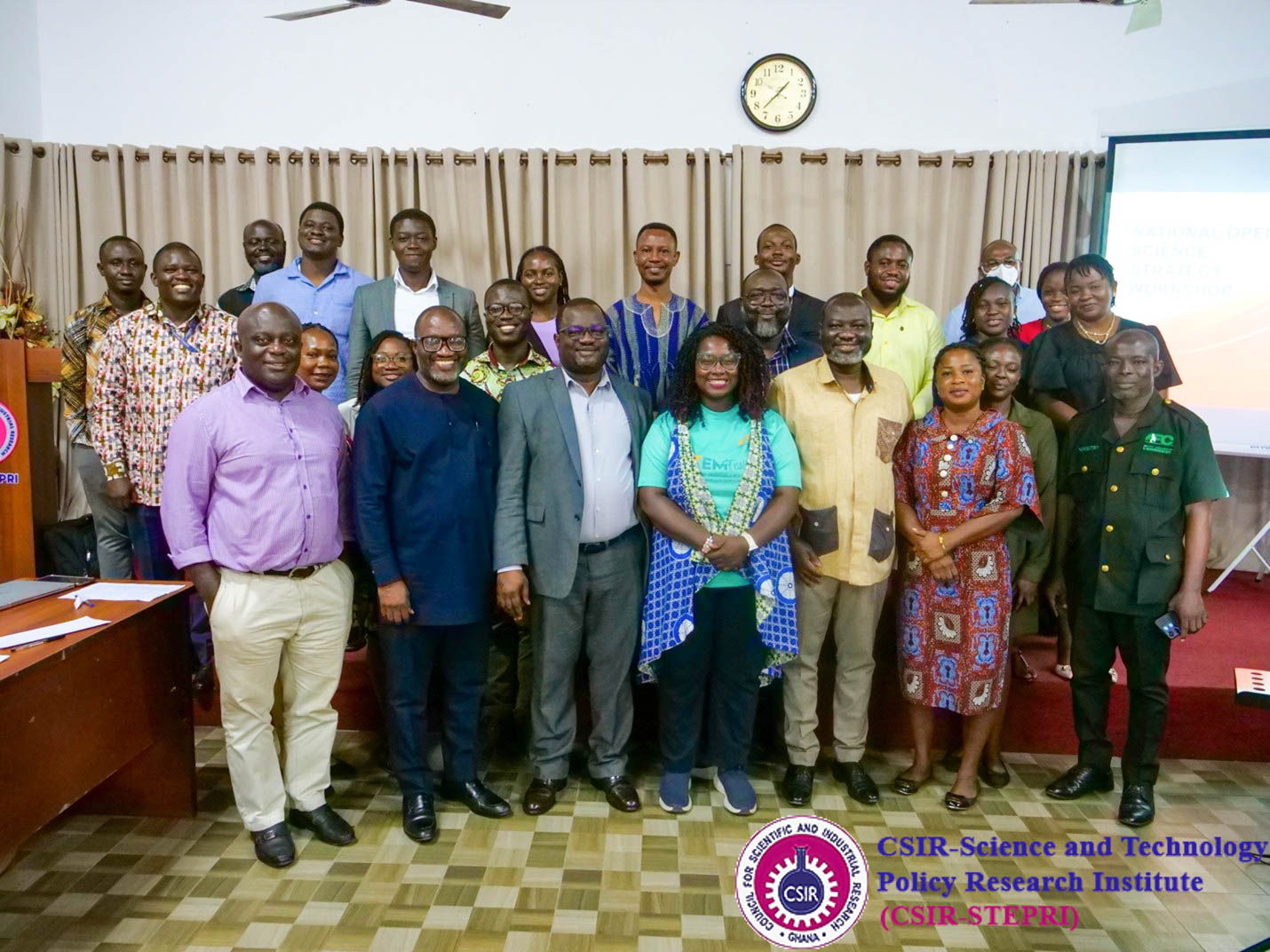
Ghana has taken an important step toward the development of a National Open Science Policy Strategy with the successful organisation of a National Consultation Workshop on Open Science, held on 5th December 2025 at the CSIR-Science and Technology Policy Research Institute (CSIR-STEPRI), Accra.
The workshop was convened by the Ministry of Environment, Science and Technology (MEST), with funding and technical support from the UNESCO Ghana Commission, as part of national efforts to operationalise the Revised National Science, Technology and Innovation (STI) Policy (2024-2030). This policy identifies Open Science as a strategic pillar for strengthening knowledge sharing, improving research visibility, and promoting inclusive participation in Ghana’s innovation ecosystem
The consultation provided an interactive platform for gathering stakeholder perspectives towards undertaking an Open Science Readiness Assessment to guide the formulation of the National Open Science Strategy.
Setting the Stage for Inclusive Scientific Openness
The event opened with remarks from the Deputy Director of Research, Statistics and Information Management (RSIM) at MEST, who underscored government’s commitment to embedding Open Science principles within Ghana’s broader STI framework. Participants represented a wide range of stakeholders, including government ministries, departments and agencies, universities, CSIR institutes, and ICT agencies.
A technical presentation outlined the rationale for Ghana’s Open Science transition and provided an overview of preliminary findings from the readiness assessment. The presentation reaffirmed UNESCO’s understanding of science as “the organised human endeavour to understand and apply knowledge through observation and validation.” Open Science, participants were reminded, extends this principle by ensuring that scientific knowledge is openly available, accessible, and reusable for everyone.
The session emphasised that open practices enhance transparency, collaboration, and credibility in research. By ensuring that publicly funded research outputs are freely accessible, Open Science supports evidence-based policymaking, fosters innovation, and enables society to derive greater value from research investments.
Highlights from Ghana’s Readiness Assessment
The Open Science Readiness Assessment presented during the workshop revealed a research ecosystem with strong institutional foundations but fragmented infrastructure and governance arrangements.
- Infrastructure and Repositories: Several universities and research institutions operate digital repositories. However, these systems vary widely in scope, metadata standards, and maintenance capacity. Some were created under short-term donor projects, raising concerns about sustainability once external funding ended.
- Connectivity and Data Interoperability: The preliminary report identified the need for improved broadband access, secure data-storage facilities, and interoperable systems that allow institutions to exchange and reuse datasets effectively. Collaboration with national agencies such as the National Information Technology Agency (NITA) and the Cyber Security Authority was deemed critical for establishing ethical and secure frameworks for data management.
- Human and Institutional Capacity: Implementation of Open Science requires skilled personnel, such as data stewards, librarians, ethics specialists, and IT professionals, to manage repositories and ensure compliance with FAIR (Findable, Accessible, Interoperable, Reusable) data principles. The report highlighted the importance of training and capacity development across research and higher-education institutions.
- Policy and Legal Environment: Existing laws such as the Right to Information Act (2019), the Data Protection Act (2012), and the Ghana National Research Fund Act (2019) have been recognised as supportive entry points for Open Science. However, Ghana currently lacks a unified national policy framework that coordinates governance, repository standards, and incentives for open access.
Breakout Discussions and Key Insights
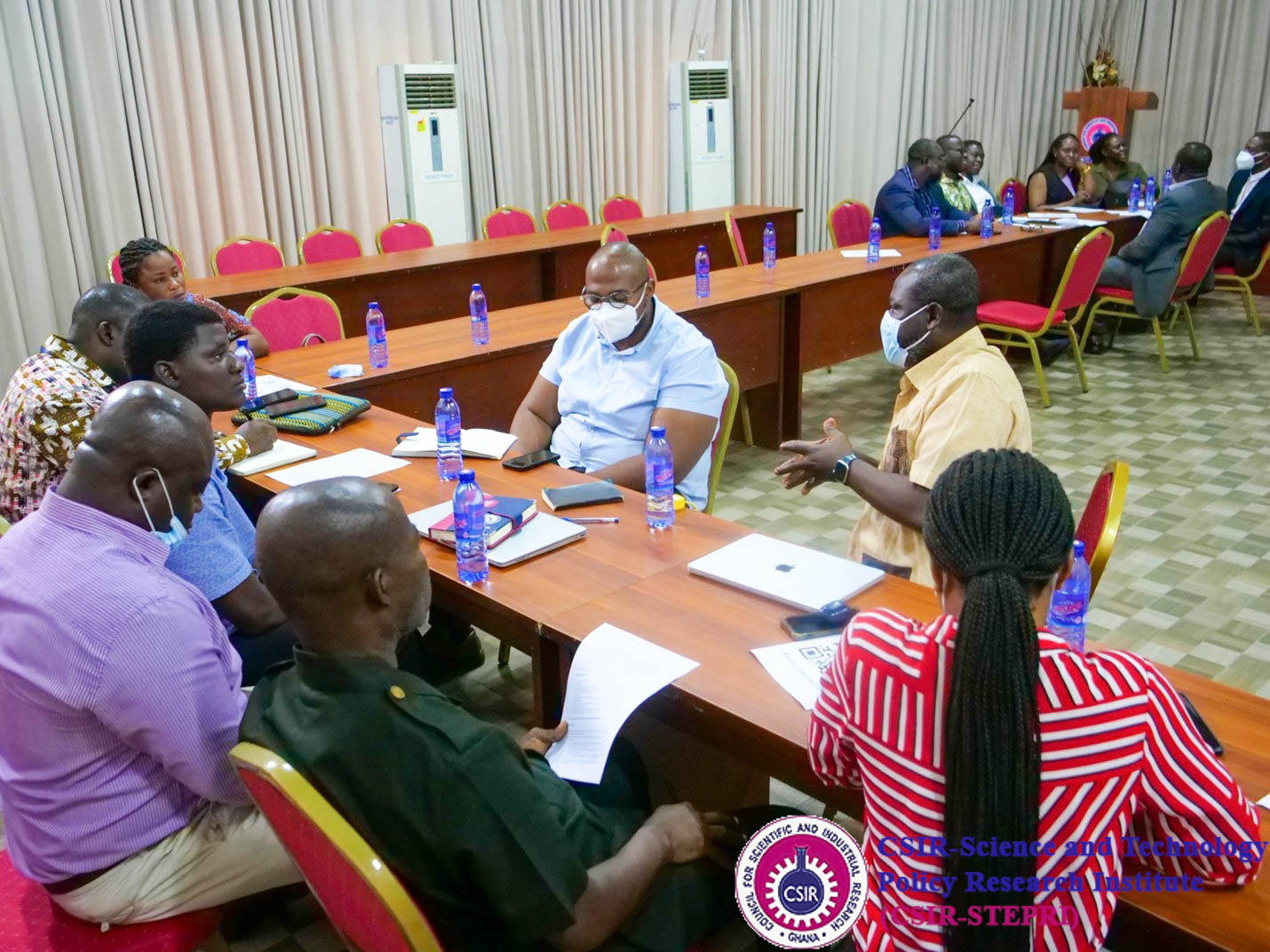
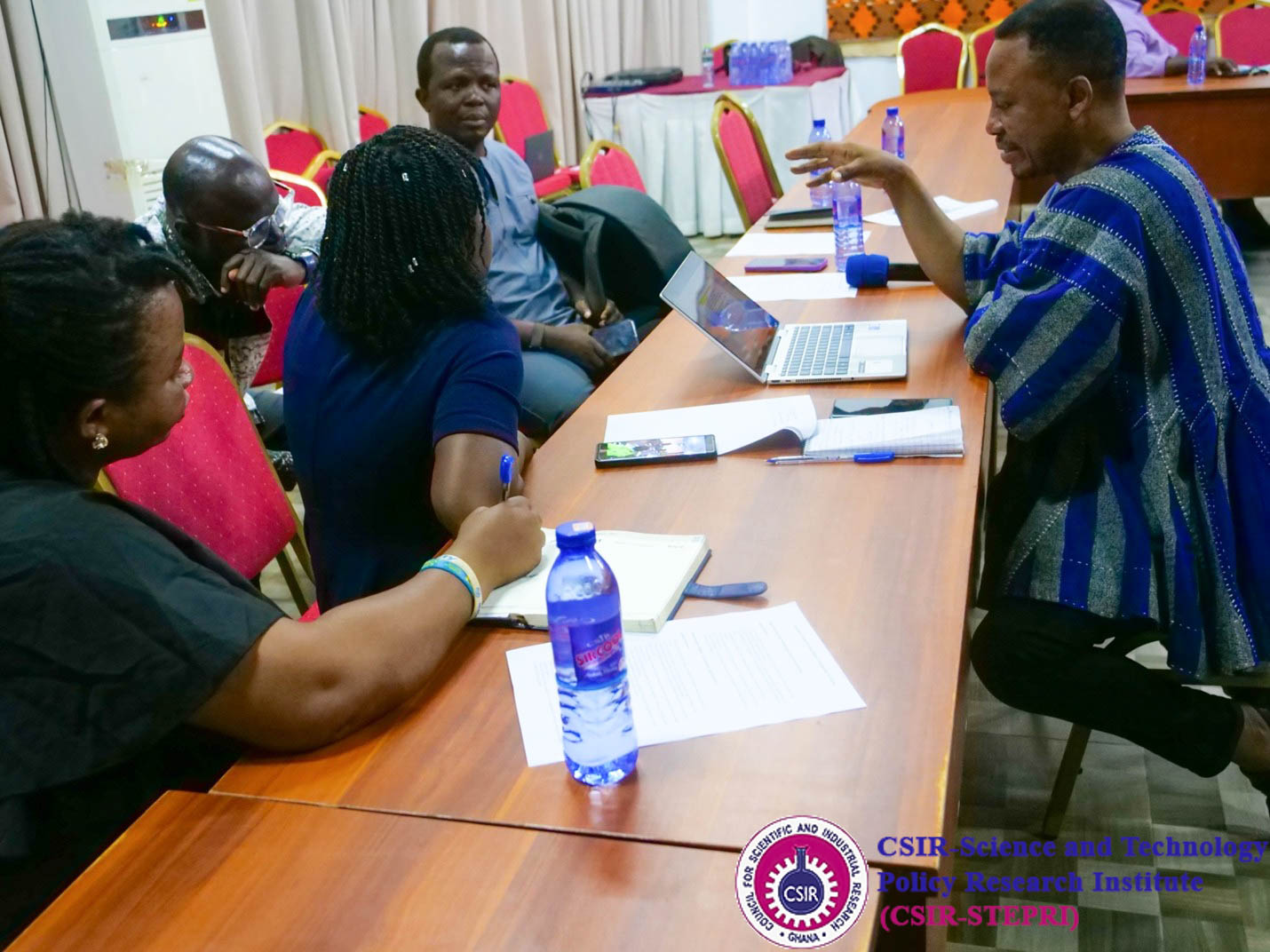
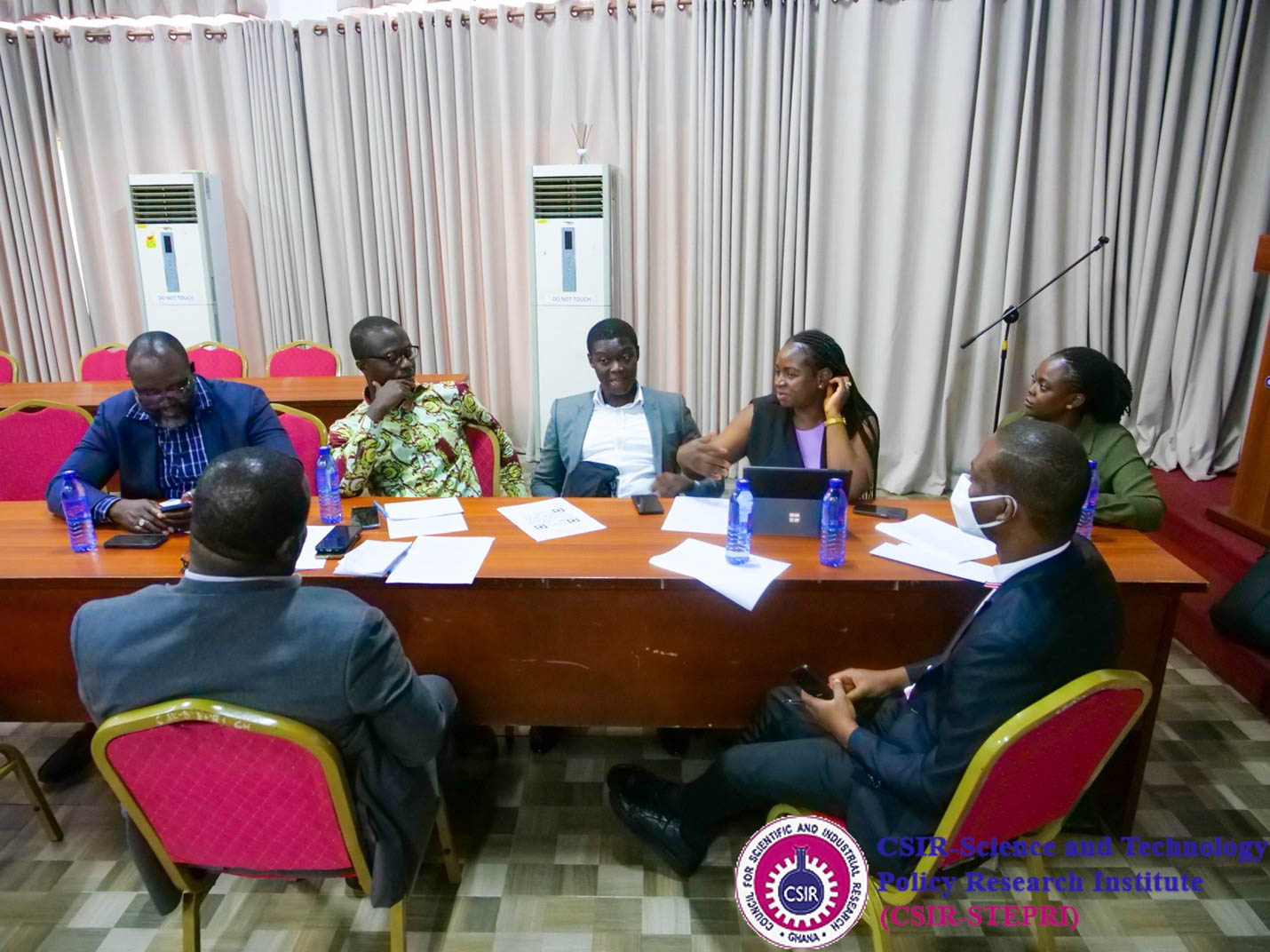
Following the plenary sessions, participants engaged in three thematic breakout groups focused on:
- Open Scientific Knowledge and Data Infrastructure: Discussions centred on harmonising data-storage systems, investing in high-speed digital infrastructure, and developing a national repository framework to promote interoperability among institutions.
- Open Science Policy, Governance and Incentives: This group examined how Open Science principles could be embedded within existing STI and research-funding policies. Members proposed mandating open-access publication of publicly funded research, strengthening intellectual-property protections, and exploring sustainable financing mechanisms for data repositories.
- Open Science Capacity, Education and Skills Development: Participants emphasised the need for comprehensive training programmes for researchers, librarians, and policymakers. They proposed integrating Open Science concepts into tertiary curricula to build awareness among future scientists and policymakers.
Across all groups, participants agreed that fragmentation of data practices remains a major barrier. They advocated for the adoption of standardised data identifiers, harmonised metadata protocols, and stronger coordination among institutions that generate and manage national data.
Strategic Priorities Identified and Looking Forward
The consultation produced a set of actionable recommendations to guide the development of an Open Science strategy:
- Develop a National Open Science Framework to harmonise governance, infrastructure, and policy instruments across institutions.
- Establish sustainable financing mechanisms to maintain and upgrade repositories and digital systems.
- Enhance cybersecurity and data ethics frameworks to build public trust and safeguard sensitive research data.
- Institutionalise open-access requirements for projects supported by public funds, ensuring transparency and equitable access to knowledge.
- Promote public-private partnerships to support national data-storage solutions and reduce dependence on external cloud servers.
- Build national capacity through structured training programmes on FAIR data management, open publishing, and digital literacy.
These priorities will be considered to inform the drafting of Ghana’s National Open Science Strategy to ensure that the strategy aligns with global standards while been responsive to local research and development needs.
In the closing session, participants reaffirmed their collective resolve to make science in Ghana more open, inclusive, and impactful. The workshop concluded that implementing Open Science is not only a technical reform but also a cultural shift toward transparency, collaboration, and shared responsibility in the creation and use of knowledge.
These deliberations will feed directly into the preparation of Ghana’s Open Science Readiness Report and the drafting of the National Open Science Strategy. These efforts are expected to position Ghana among African countries advancing the principles of the UNESCO Recommendation on Open Science (2021).
Caregories
Must Read
_thumbnail.jpg)


Connect
Stay With Us
news and upcoming events