Strengthening Evidence-Based Policy Practice For Sustainable Food Systems Under the EU-AU Partnership (StEPPFoS)
Funding source (donor)European Union Horizon 2020 Funding Framework
Duration48 Months
The project is being implemented to directly link the activities of the FNSSA to the activities of Pan-African Network for Economic Analysis of Policies (PPANAP aimed at supporting the Food and Nutrition and Sustainable Agriculture (FNSSA) 10-year roadmap and the global transition towards sustainable food systems.
See Detail 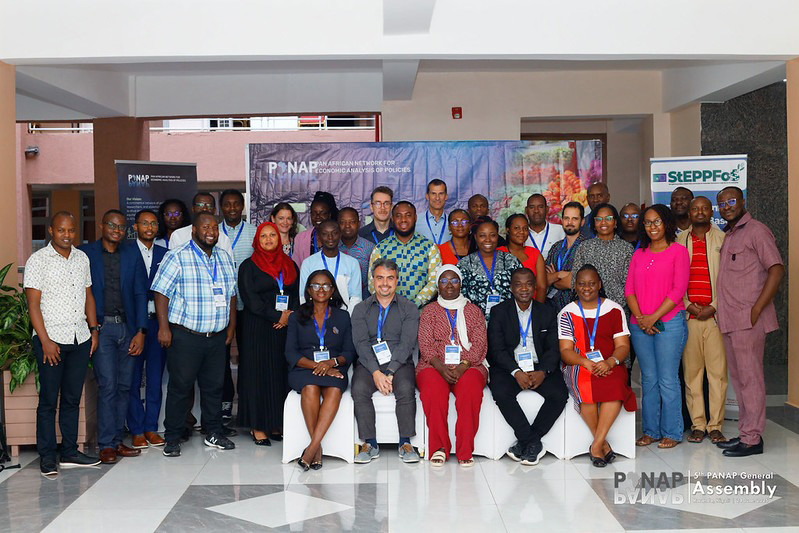
Assessment of Knowledge and Governance Towards SRM in Ghana: Implications for More Efficient Ethical, Policy and Social Practices (AsKGovSRM-Ghana).
PartnersUniversity of Health and Allied Sciences, University of Cape Coast and NSF National Centre for Atmospheric Research (NCAR)
2 years24 Months
Funding SourceDegrees Initiative
To create evidence and guidance towards streamlining SRM knowledge and governance systems in Ghana in providing more efficient recommendations for ethical, policy and social practices in Ghana.
See Detail 
Enhancing Aflatoxin Management in Ghana's Maize and Groundnuts (EAMMAG)
PartnersGhana, HESI
Funding SourceSTDF
This project seeks to strengthen the capacity of value chain actors in the management of aflatoxins for improved public health, market access, trade and income.
See Detail 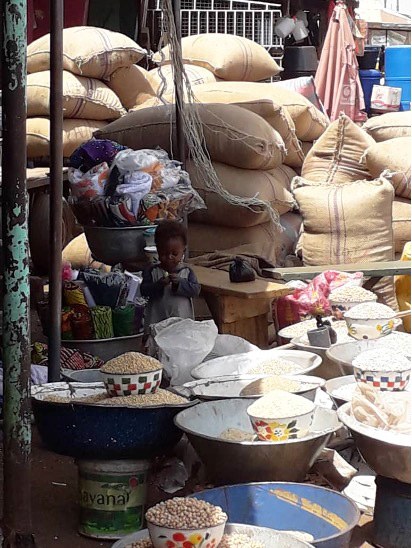
Distributional Impact of Innovation and SMEs Support in Ghana (DIISS-G)
PartnersMinistry of Environment Science Technology and Innovation, National Entrepreneurship and Innovation Programme
Specific CSIR Thematic areaScience and People
Duration36 months
Funding SourceInternational Development Research Centre (IDRC), Canada
Strengthen the capacities of project partners on policy and programme evaluation for continuous policy learning to inform innovation policy and support for SME development.
See Detail 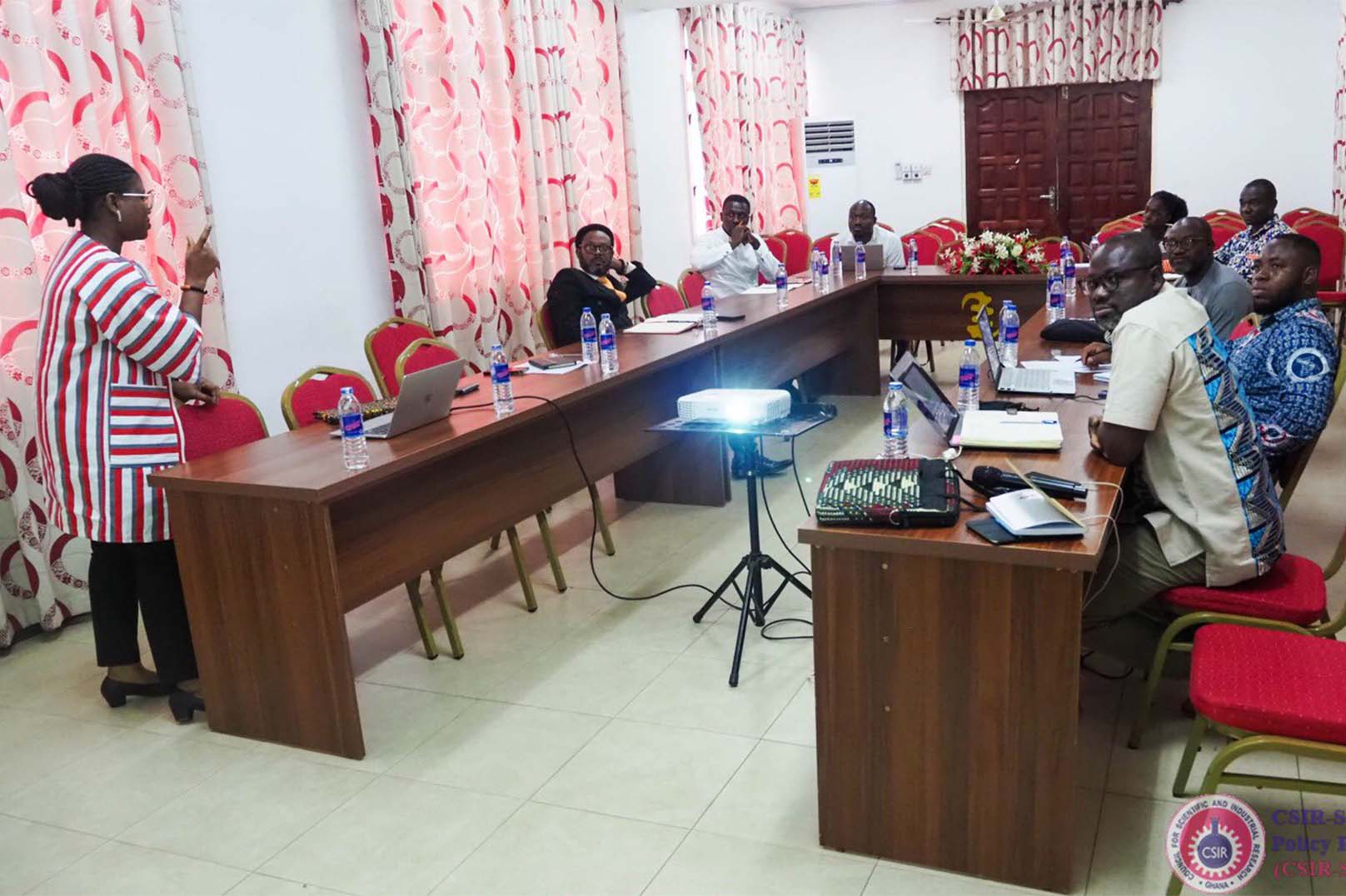
Shaping Food Environment in Transitioning Economies for Sustainable and Healthy Diets (FETE)
PartnersUniversity of Nottingham Malaysia (UNM), University of KwaZulu-Natal (UKZN), South Africa & Sokoine University of Agriculture, Tanzania (SUA), Thunen Institute for Market Analysis, Germany
Funding SourceFederal Office for Agriculture and Food (BLE), Germany and Coordinated by Thunen Institute for Market Analysis, Germany.
Duration36 Months
The proposed multidisciplinary project aims to establish a shared understanding of problems and opportunities and to develop solutions to shape food environments in transitioning economies to drive nutritious food consumption for better health outcomes, targeting South-East Asia and Sub-Saharan Africa.
See Detail 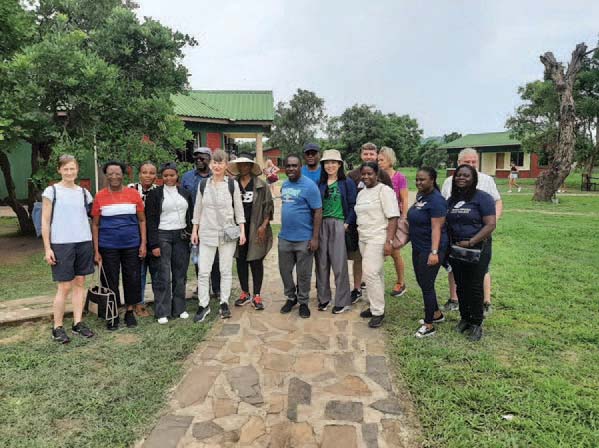
International Workshop on Gender in Science, Technology, Engineering and Mathematics (STEM)
PartnersInternational Development Research Centre (IDRC)
Funding SourceInternational Development Research Centre (IDRC)
Duration2 Months
Specific CSIR Thematic AreaFood security & poverty reduction; Science and People
The overall objective is to facilitate a workshop that helps build a strong community of practice amongst IDRC-supported projects examining gender inequities in Southern science systems.
See Detail 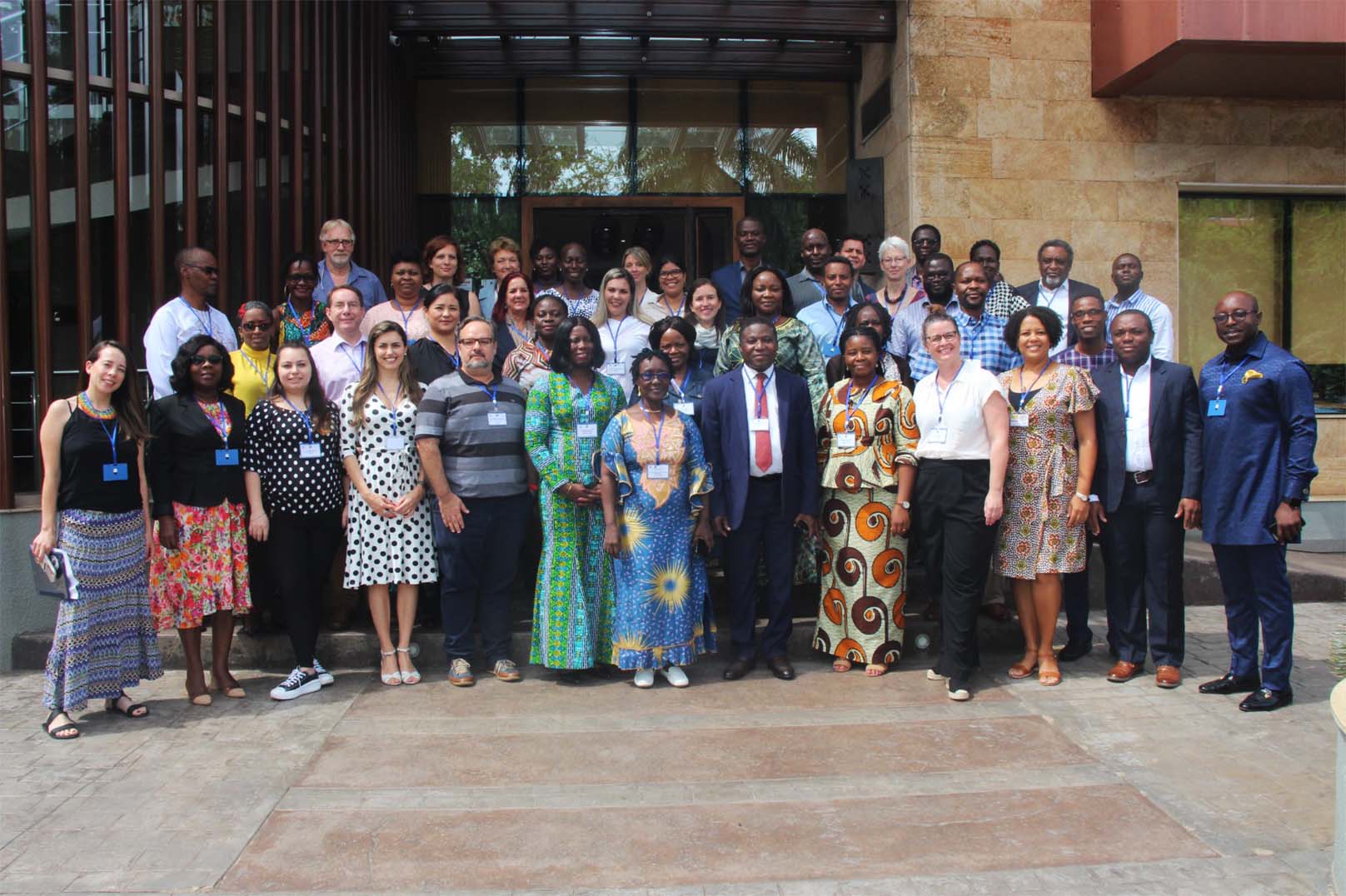
Making Agricultural Trade Sustainable (MATS)
PartnersUniversity Polytechnic of Madrid (UPM), Spain
Funding SourceEuropean Union via UPM (Universidad Politécnica de Madrid)
Duration12 Months
MATS aims to identify key leverage points that foster the positive and reduce the negative impacts of agricultural trade on environmental sustainability and human well-being. Focus is on improving the governance, design and implementation of trade policy at national, EU, African and global levels. Particular attention is paid to SDG1 ‘No Poverty’, SDG2 ‘Zero Hunger’ and SDG3 ‘Good Health and Well-being’, as well as SDG6 ‘Clean Water’, SDG13 ‘Climate Action’ and SDG15 ‘Life on Land’.
MATS will develop and pilot new tools for a systemic analysis, and assessment, of the interactions between agricultural trade, investments, sustainability, and development.
See Detail MATS will develop and pilot new tools for a systemic analysis, and assessment, of the interactions between agricultural trade, investments, sustainability, and development.
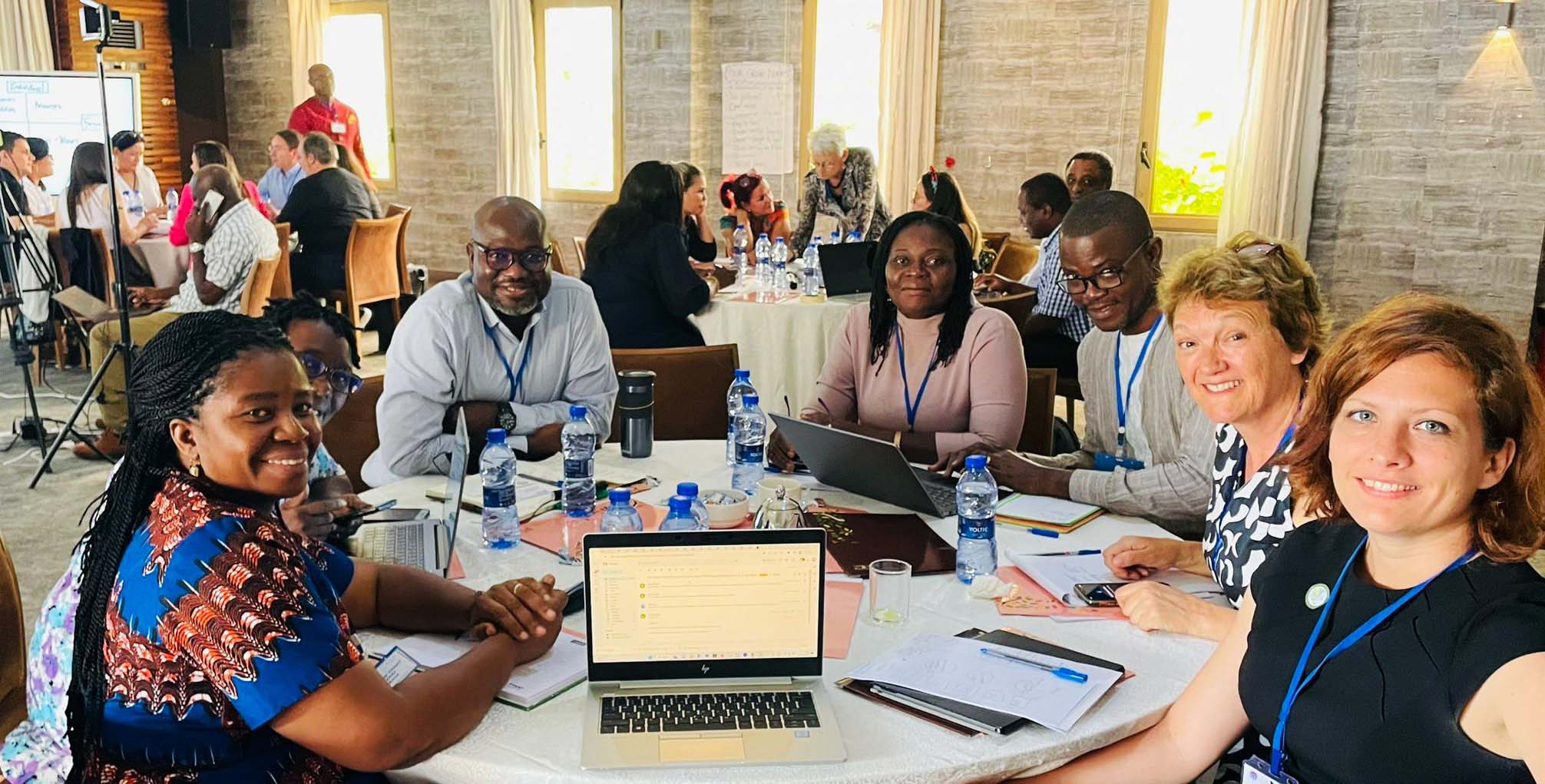
Hybrid Waste to Energy as a Sustainable Solution for Ghana
Funding SourceThe Federal Ministry of Education and Research of Germany (BMBF)
DurationJanuary – December 2023
The aim is to scale up to draw up business case models to drive its replication in other communities in Ghana. For CSIR-STEPRI, a key pending task in addition to community engagement activities (completed) is to develop a comprehensive policy guideline that will serve as a blueprint for various ministries and agencies for waste-to-energy project initiatives in Ghana.
See Detail 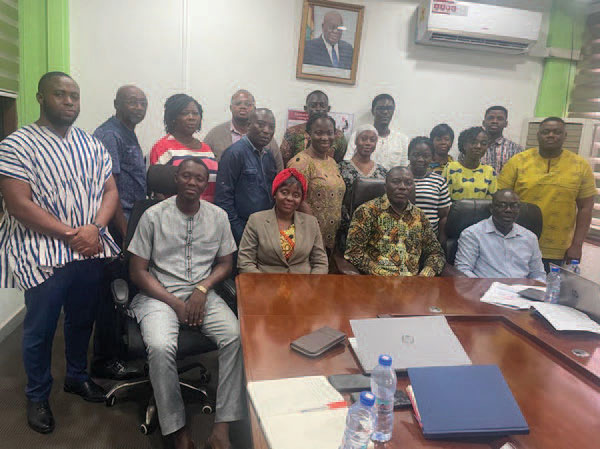
Strengthening STI Systems for Sustainable Development in Africa
Funding SourceSwedish International Development Cooperation Agency (SIDA) SIDA through The United Nations Educational, Scientific and Cultural Organization (UNESCO)
Duration2 Years
Within UNESCO’s global framework for monitoring, policy support and advocacy for the UNESCO Recommendation on Science and Scientific Researchers (RS|SR), the project “Strengthening STI systems for Sustainable Development in Africa” aims to ensure that governments and national science institutions in six African pilot countries (Congo, Ghana, Namibia, Sierra Leone, Tanzania and Zimbabwe) are taking measures to strengthen their national and regional STI policies, governance of STI, and institutions in research and innovation in accordance with the RS|SR. Under this Swedish International Development Cooperation Agency (SIDA) funded project, UNESCO is assisting the Government of Ghana, notably through the Science and Technology Policy Research Institute of the Council for Scientific and Industrial Research (CSIR-STEPRI) to undertake and implement activities related to the SIDA project.
See Detail 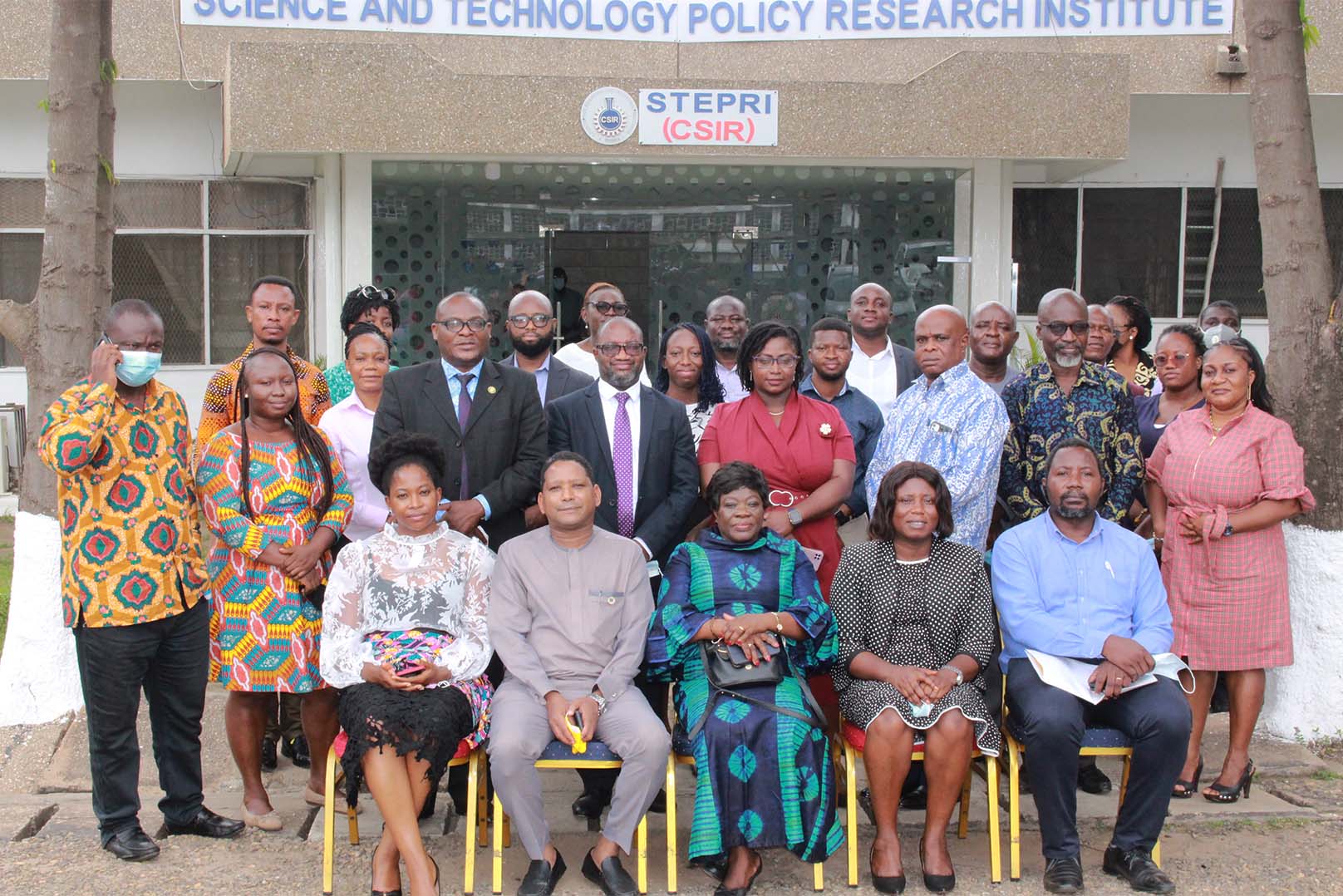
Women in Engineering Education and Careers in Benin and Ghana (WEEC-BG)
Funding SourceIDRC
Duration3 Years
LocationGhana and Benin
To contribute to bridging the gender gap in engineering in Ghana and Bénin through original research and policy recommendations.
See Detail 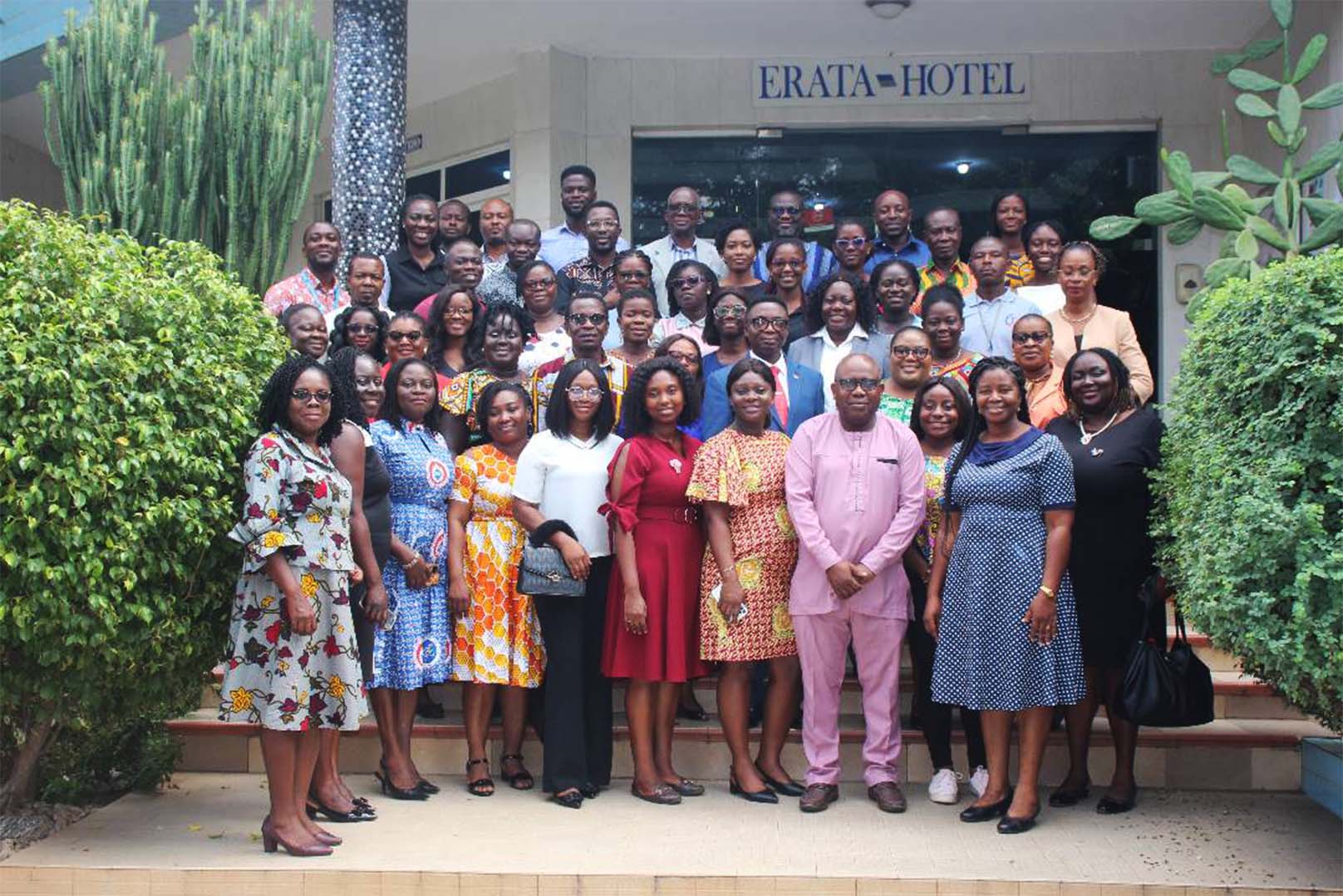
Sustainable Intensification of Key Farming Systems in the Sudano-Sahelian Zone of West Africa (AFRICA RISING)
Funding SourceUSAID
DurationFour Years, (Extended by Six Months, 1st January-31st July 2022)
LocationSelected Communities in Northern Ghana
The Africa RISING project is a key pathway towards better food security, improved livelihoods, and a healthy environment. Various technologies have been developed and validated by Africa RISING and STEPRI has been part of this effort. STEPRI has been involved in the implementation of activities that contribute mainly to Outcomes 3 and 4. So far, work has been done to analyze farmers’ access to input and output markets, delivery pathways for SI technologies and the role of government extension services, review of agricultural mechanization policy ordinances in Ghana, and simulation analysis on SI technology adoption. This project was a wrap-up effort to ensure that work that was started in 2019 and represented in the form of Policy Briefs using the available past reports from STEPRI which will go a long way to address policy-related needs to enforce the work.
See Detail 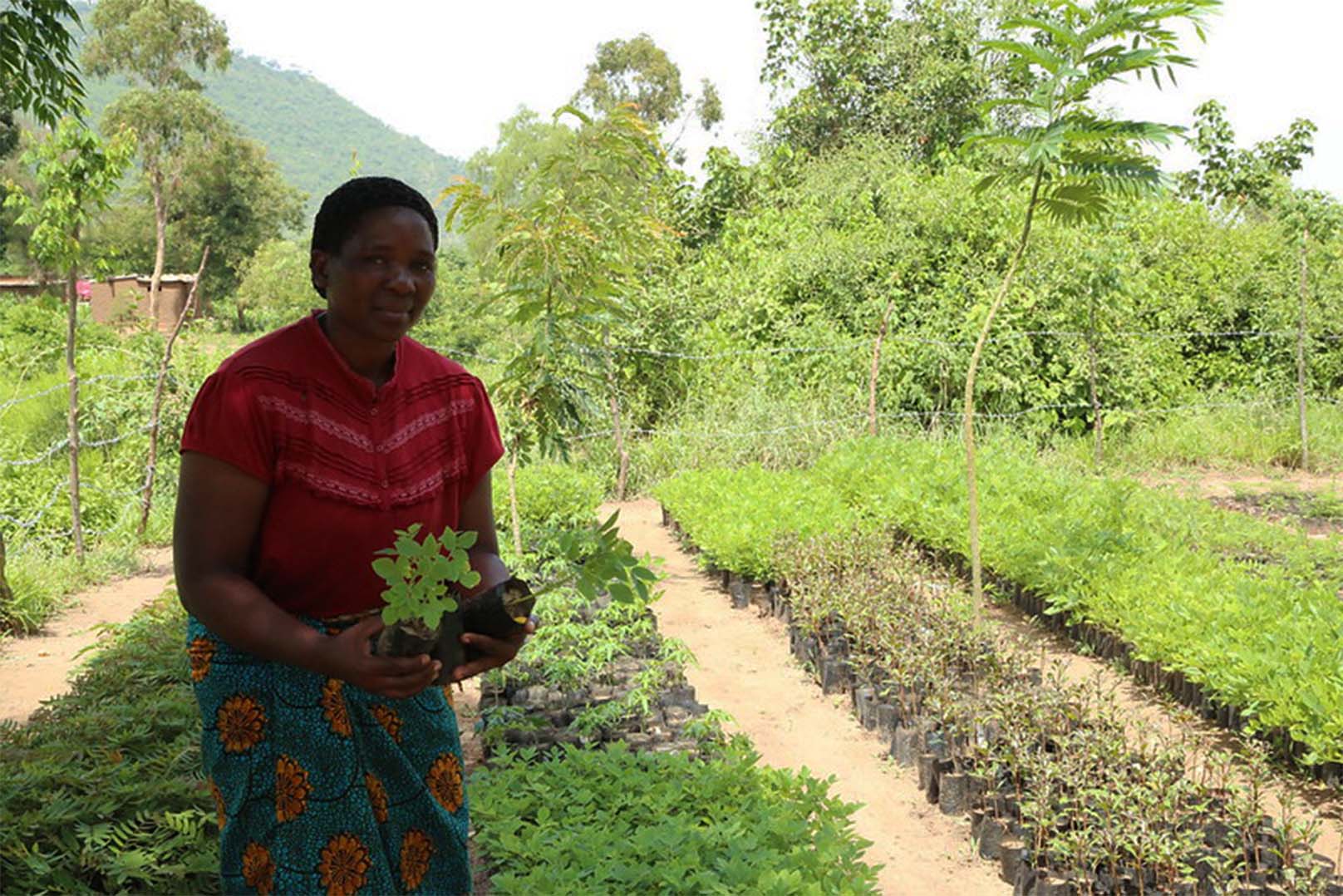
Long-Term European-African Partnership for Food and Nutrition Security and Sustainable Agriculture (LEAP4FNSSA)
Funding SourceEuropean Commission
Partners20 European Partners (From 14 Countries); 15 African Partners (From 8 Countries)
Duration4 years from 1st Nov 2018
LocationAfrica and Europe
LEAP4FNSSA is a Coordination and Support Action (CSA) that aims at establishing a Europe-Africa International Research Consortium (IRC). The IRC will provide a tool for all European and African institutions ready to engage in a sustainable partnership platform for research and innovation on Food and Nutrition Security as well as Sustainable Agriculture (FNSSA)
See Detail 
Developing a National Policy and Technical Regulation for Aflatoxin Control in Food and Feed
Due to the detrimental effects of aflatoxins on food and nutrition security, health, and the economy, the African Union Commission has prioritised aflatoxins as a major food safety problem and has therefore established the Partnership for Aflatoxin Control (PACA) to help address the problem on the continent. With the help of PACA, ECOWAS developed its action plan for aflatoxin control, which was adopted by Ministers of Agriculture in 2015. ECOWAS Member states are accordingly required to adapt this action plan to their specific contexts and ensure its mainstreaming into existing policies and programmes. It is in this vein that a grant was sought from AGRA to develop a national policy that will spell out an action plan together with a technical regulation to ensure adequate enforcement of aflatoxins standards
See Detail