

CSIR-STEPRI Completes Comprehensive Impact Assessment of Ghana's Trade and Industrial Policies
CSIR-STEPRI Completes Comprehensive Impact Assessment of Ghana's Trade and Industrial Policies
The CSIR-Science and Technology Policy Research Institute (CSIR-STEPRI) has successfully completed a comprehensive assessment of Ghana's Trade and Industrial Policies, commissioned by the Ministry of Trade, Agribusiness and Industry (MOTAI) with funding support from the International Labour Organization (ILO).
The study was undertaken to generate evidence to inform the ongoing review of Ghana's trade and industrial policy framework and assess how existing policies have contributed to enterprise development, productivity growth, innovation, employment creation, and decent work outcomes.
The assignment was implemented through three complementary components. First, a review of Ghana's trade and industrial policy landscape examined the evolution, implementation experiences, and emerging challenges associated with key policy frameworks. Second, an econometric assessment evaluated the long-term impacts of Ghana's 2004 Trade Policy and 2010 Industrial Policy on firm performance. Third, a nationwide enterprise survey covering 547 firms across eight regions, complemented by focus group discussions involving 66 participants, captured firm-level experiences, policy awareness, business constraints, innovation activities, employment practices, and perceptions of policy effectiveness.
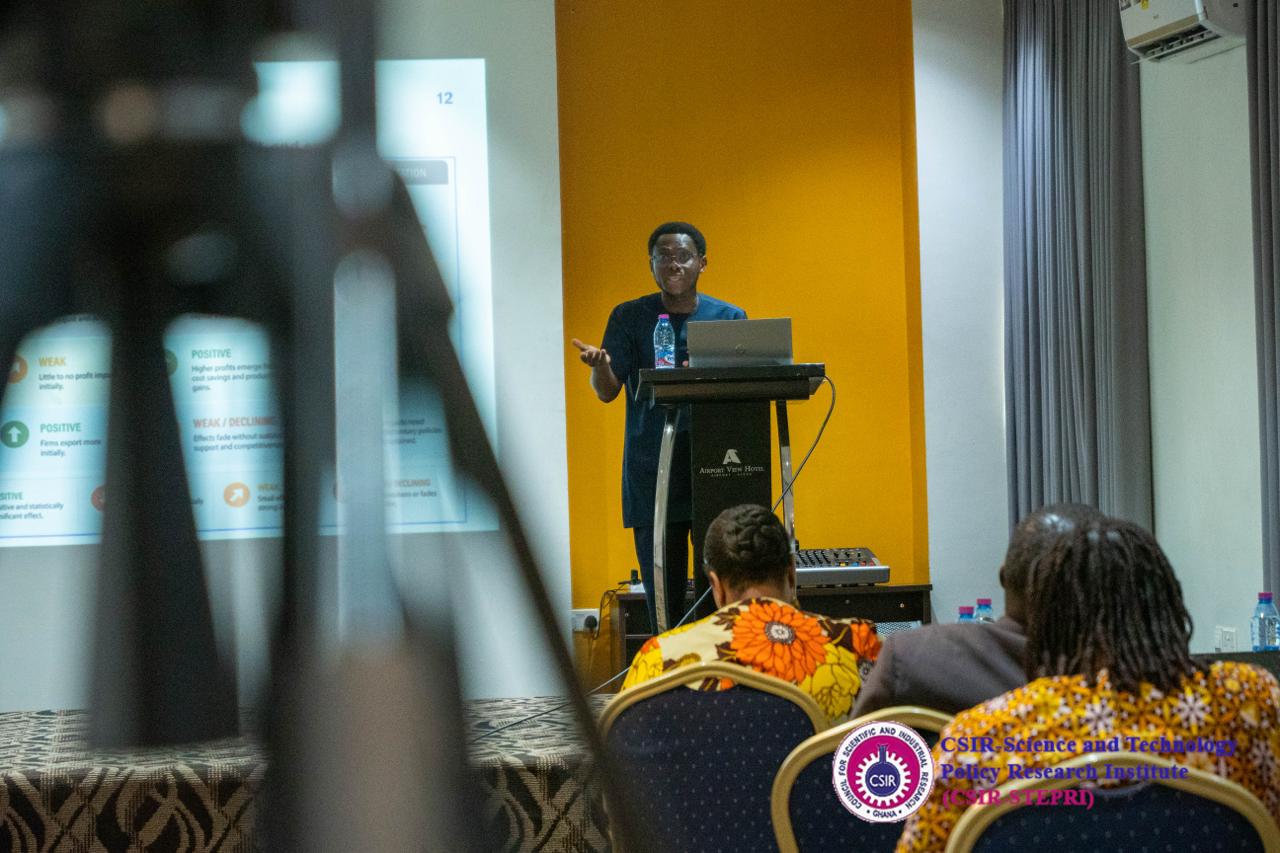
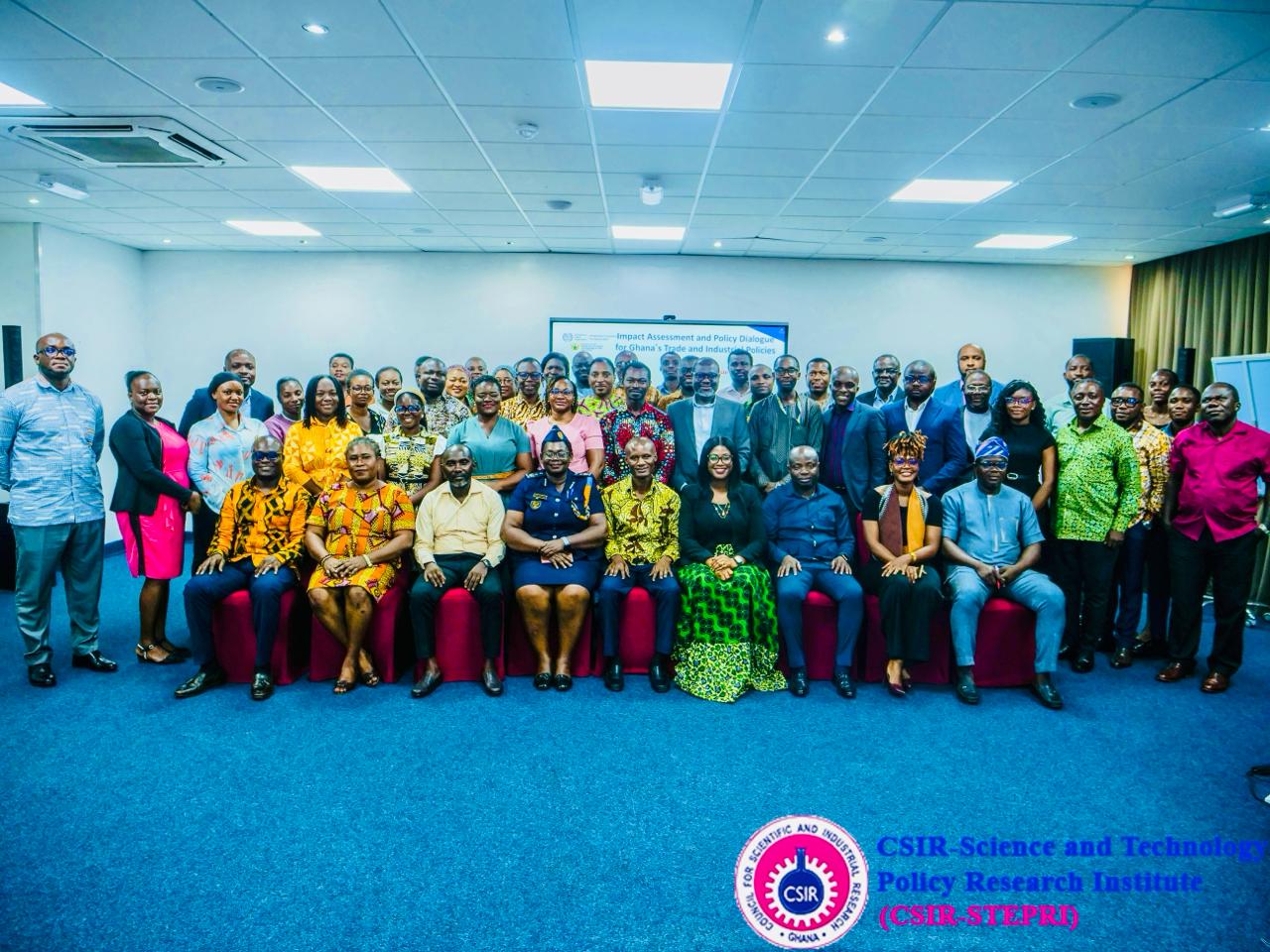
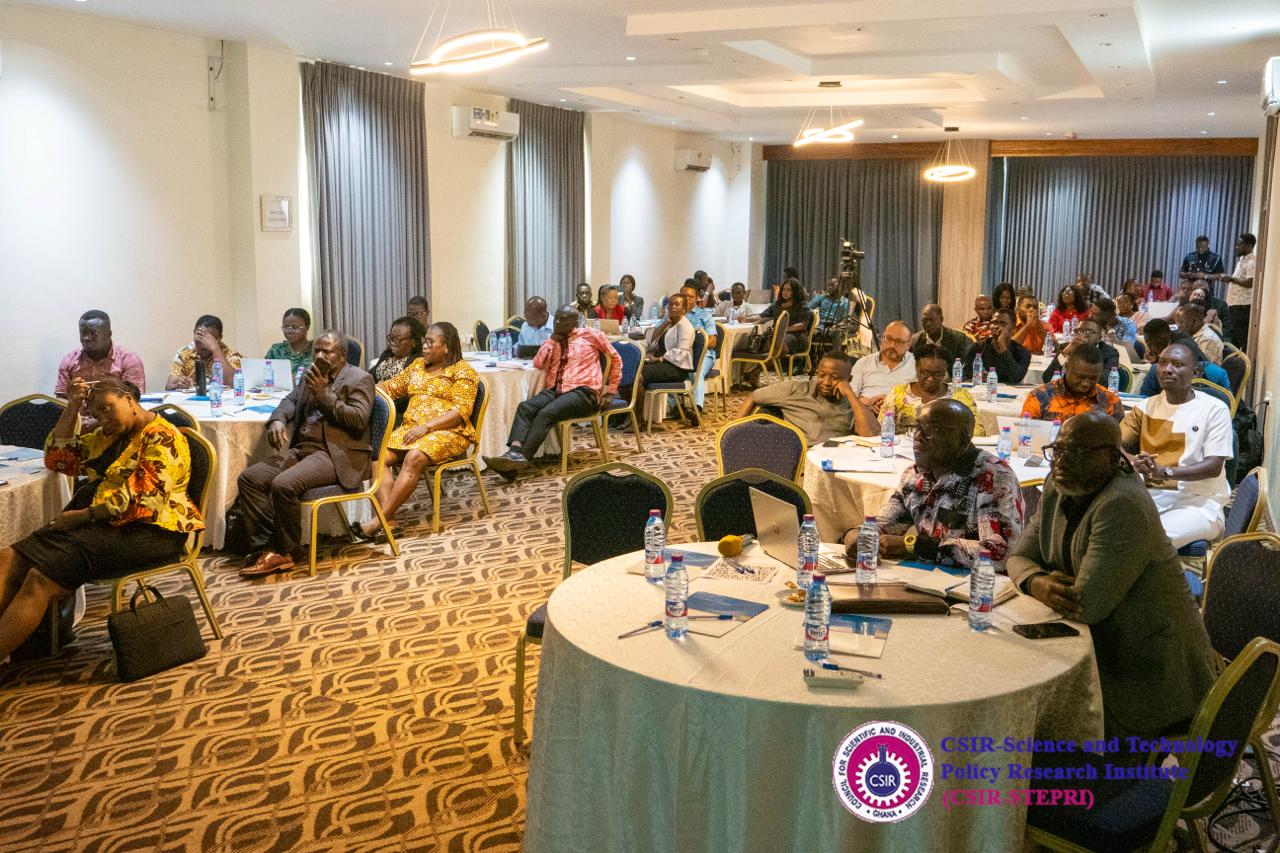
Stakeholder engagement was central to the study process. An inception policy dialogue brought together policymakers, private sector actors, labour representatives, researchers, and development partners to identify key policy concerns and shape the direction of the study. Following completion of the research, a national validation workshop was convened to review the findings, gather stakeholder feedback, and build consensus around the recommendations.
The study findings reveal that Ghana's trade and industrial policies have contributed to improvements in firm productivity and profitability over time. However, these gains have not translated sufficiently into sustained employment growth or export expansion. The evidence suggests that future policy reforms should place greater emphasis on linking productivity growth to decent job creation, industrial upgrading, and export competitiveness.
The enterprise survey further highlighted persistent challenges facing Ghanaian businesses. Key constraints identified by firms include limited access to finance, high energy and production costs, inadequate access to technology and productive equipment, limited market opportunities, and low awareness and uptake of available policy support programmes. While many firms reported undertaking innovation activities, these were largely self-financed, indicating limited access to innovation support mechanisms.
The study also identified important decent work gaps, particularly among micro, small and medium enterprises (MSMEs). Challenges include limited use of written employment contracts, low social security coverage, and inadequate maternity protection measures. These findings underscore the need for future trade and industrial policies to better integrate enterprise development objectives with decent work outcomes.
In addition, the assessment found that while awareness of the African Continental Free Trade Area (AfCFTA) is increasing, participation by firms remains relatively low. This highlights the need for targeted interventions to improve enterprise readiness and competitiveness within regional and continental markets.
Based on the evidence generated, the study recommends strengthening financial and business development support for MSMEs, improving access to technology and productive equipment, addressing energy and production cost challenges, enhancing value chain development, expanding AfCFTA readiness programmes, strengthening stakeholder participation in policy processes, and investing in more robust enterprise data systems to support evidence-based policymaking.
The findings provide an important evidence base for the revision of Ghana's trade and industrial policy framework and contribute to broader efforts aimed at promoting industrial transformation, enterprise competitiveness, decent work, and inclusive economic growth.
CSIR-STEPRI remains committed to supporting government, development partners, and other stakeholders through rigorous research, policy analysis, and stakeholder engagement that advance evidence-informed policymaking and sustainable development in Ghana.
A special acknowledgement goes to the Lead Researcher, Dr. Justina Adwoa Onumah, and her team; Dr Edward Martey, Dr Gordon Akon-Yamaga, Nana Yamoah Asafu-Adjaye, Nurudeen Sulemana, and Abdalla Mahama, for successfully executing this important national assignment in support of Ghana's trade and industrial policy review process.


Caregories
Must Read
_thumbnail.jpg)


Connect
Stay With Us
news and upcoming events